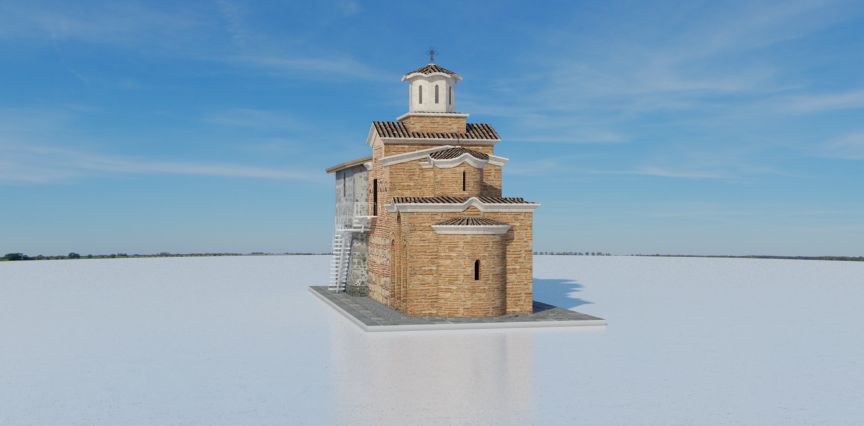
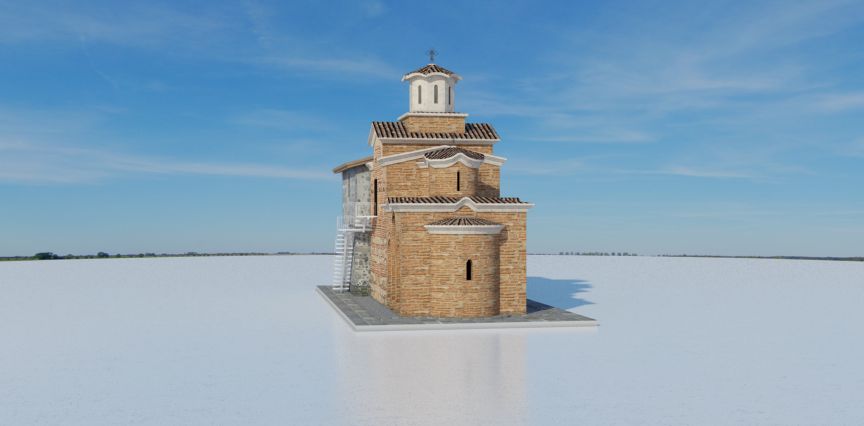
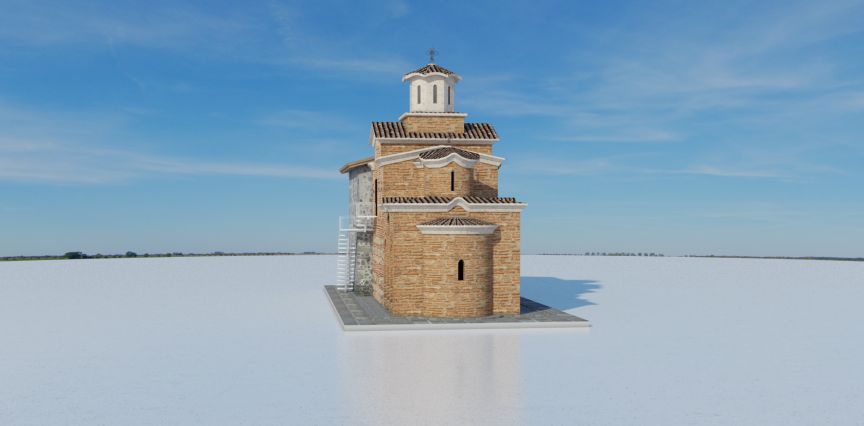
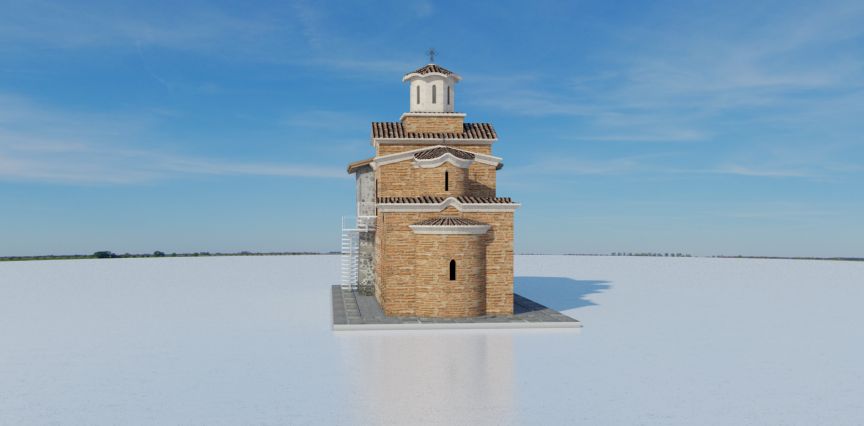
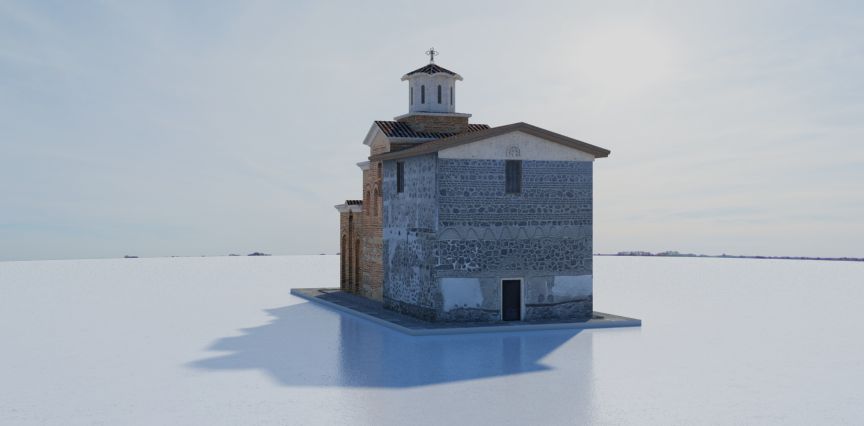
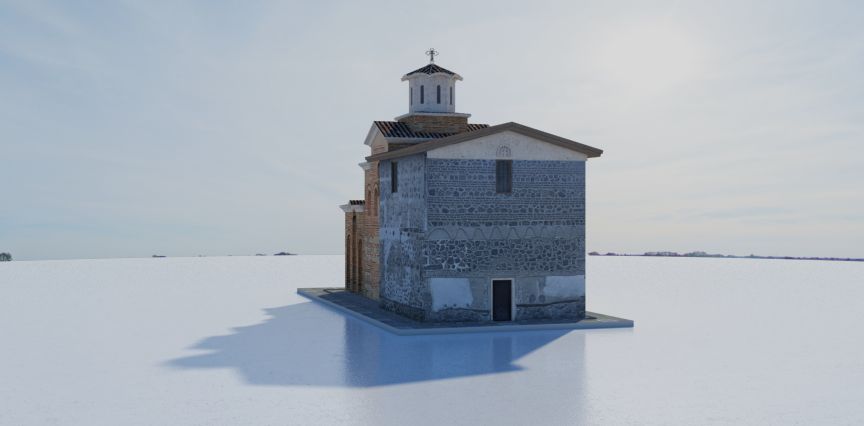
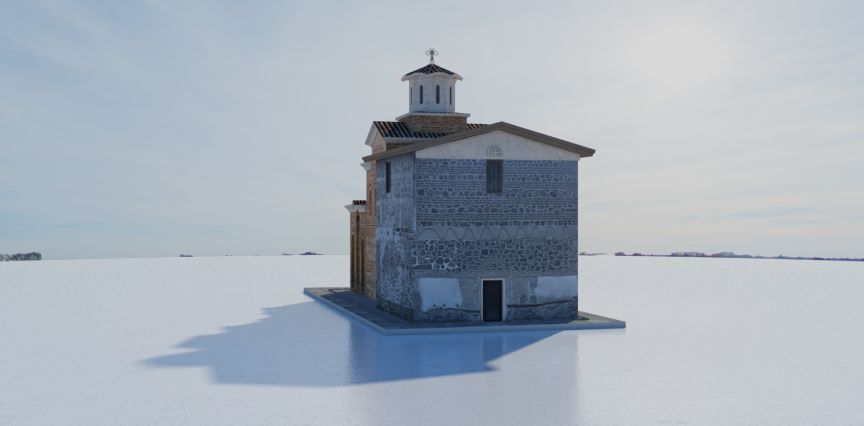
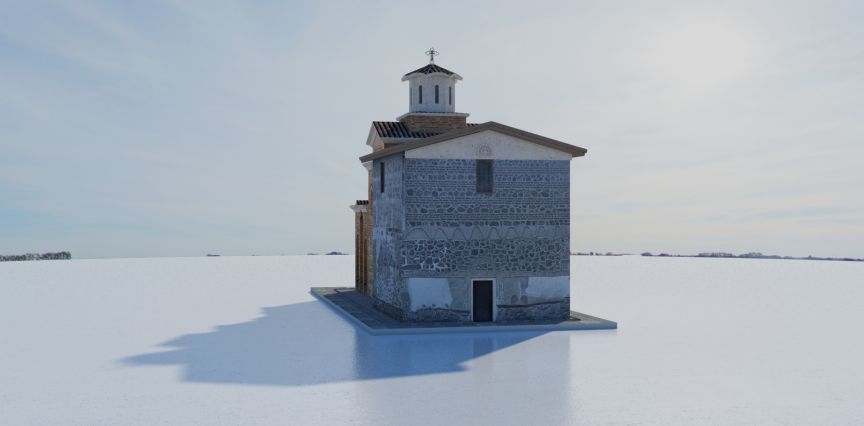
The Boyana Church “St. Nikola and St. Panteleymon”, Sofia
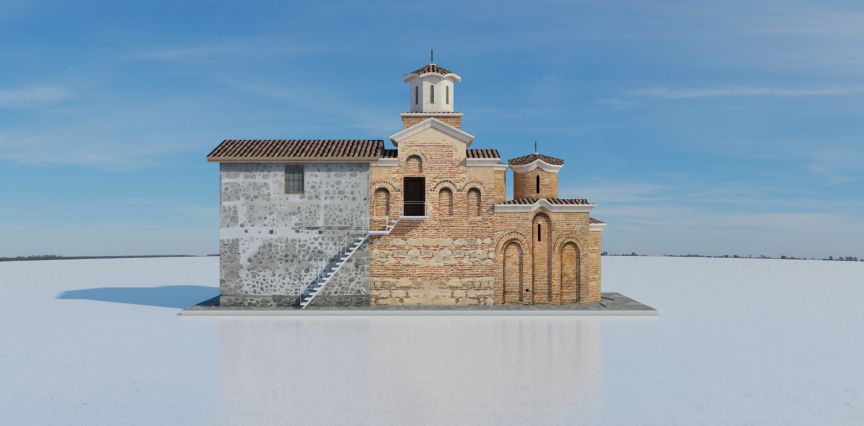
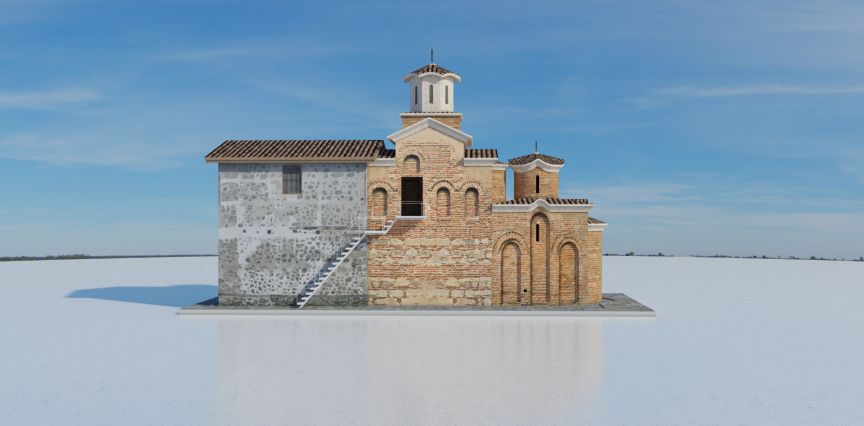
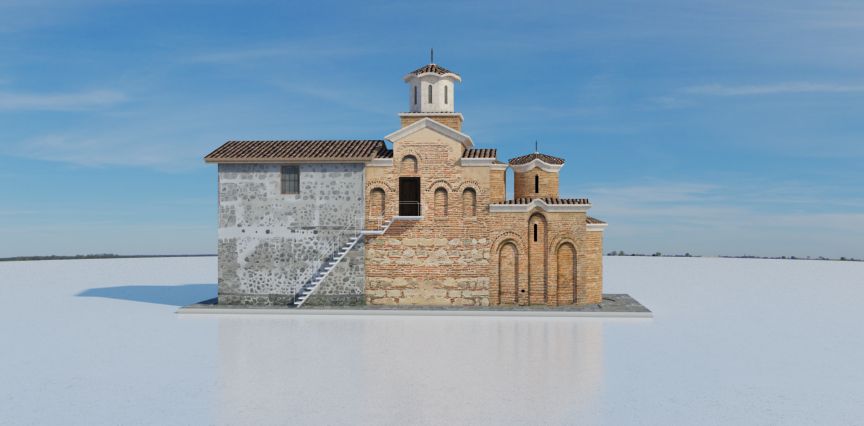
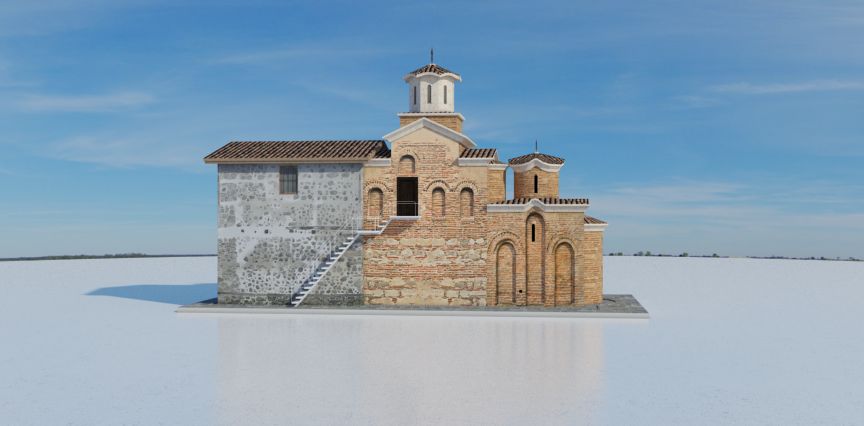
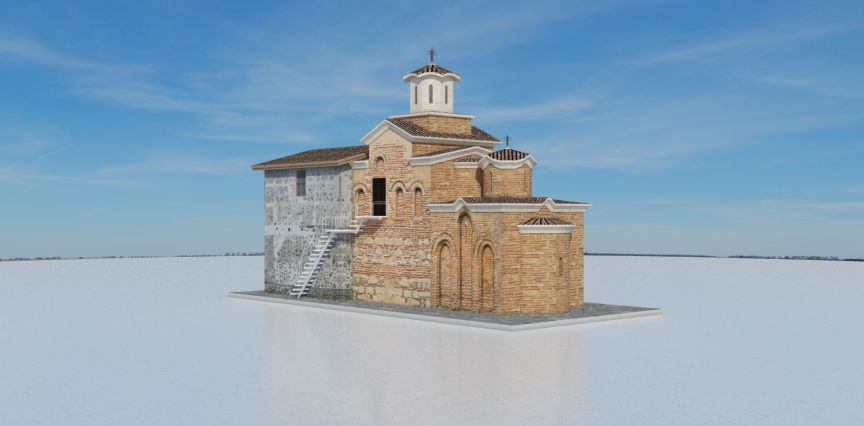
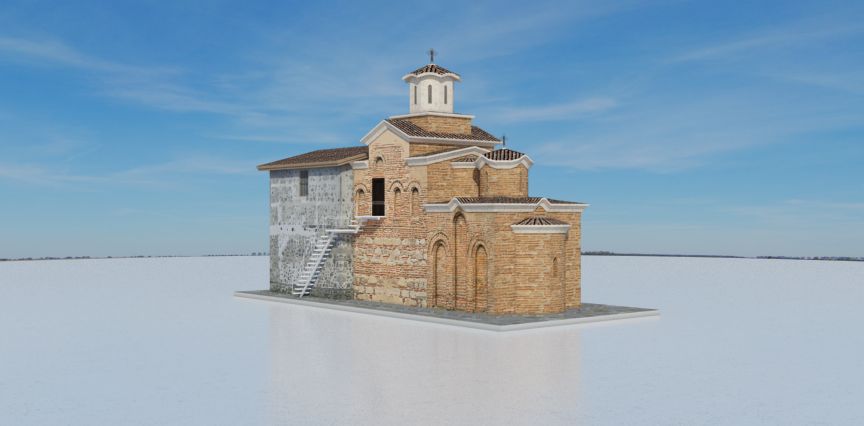
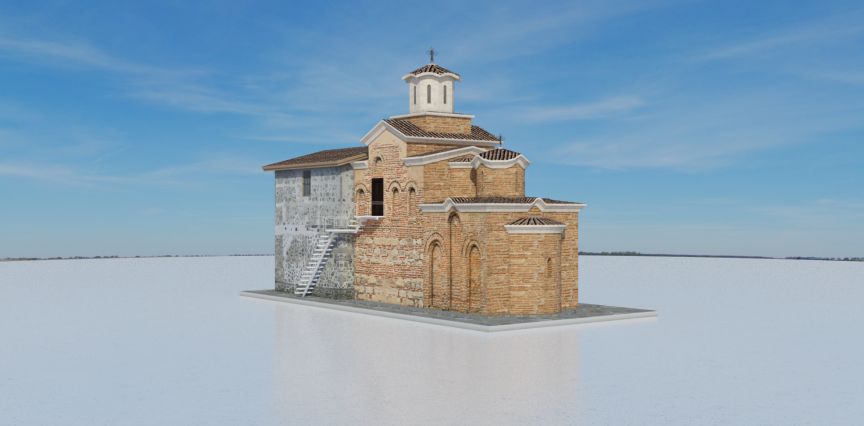
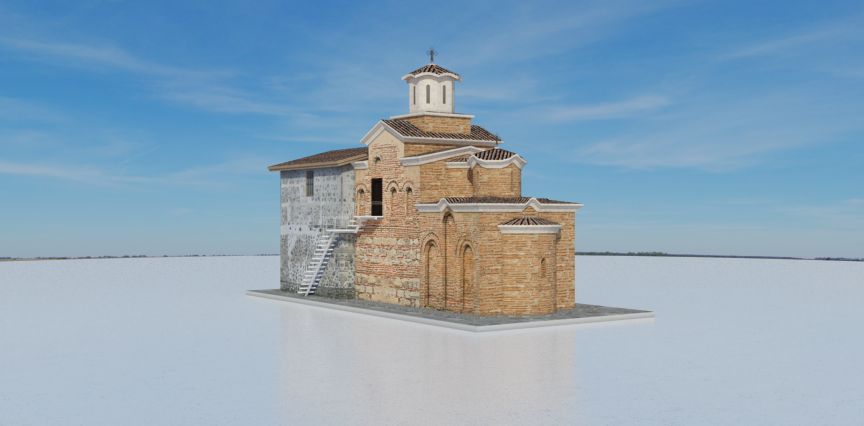
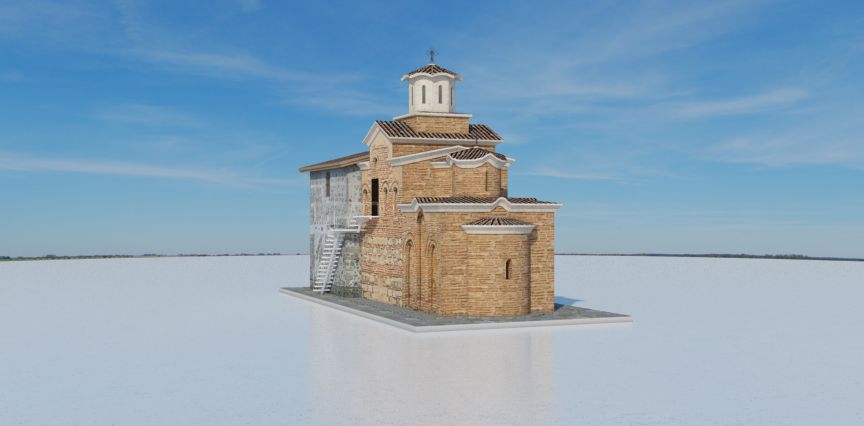
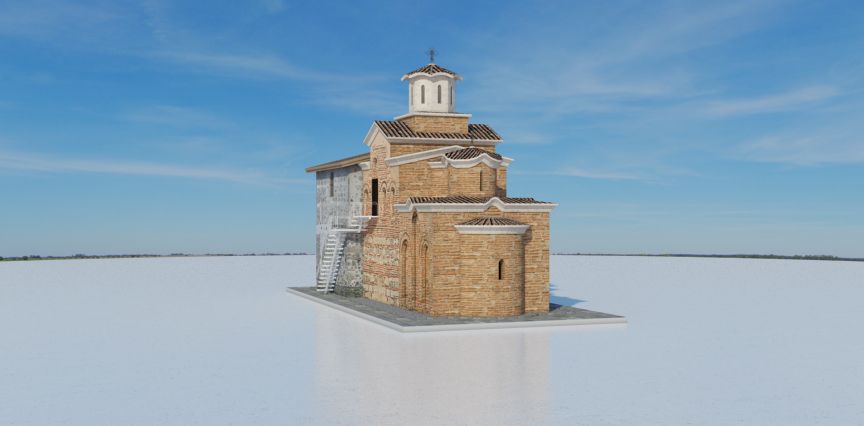
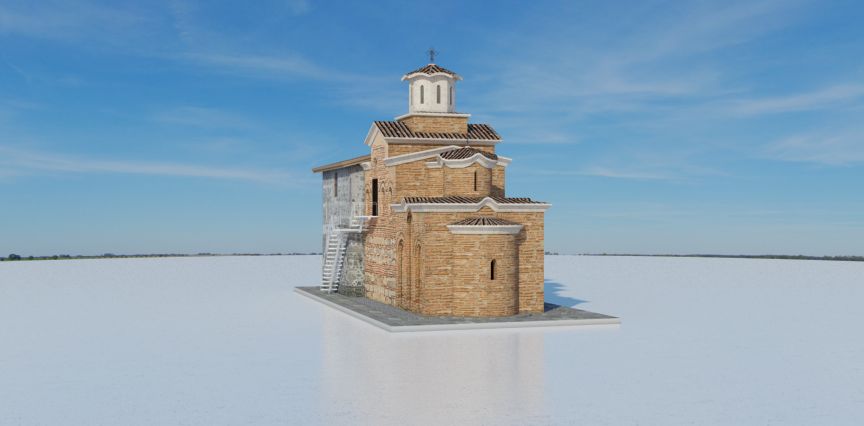
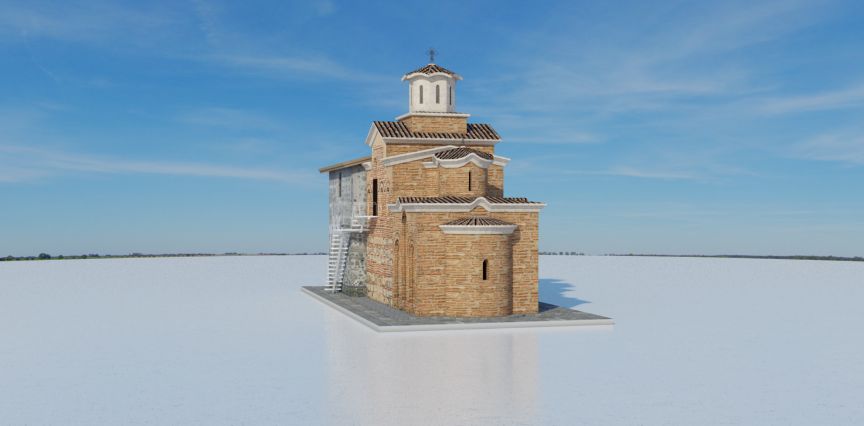
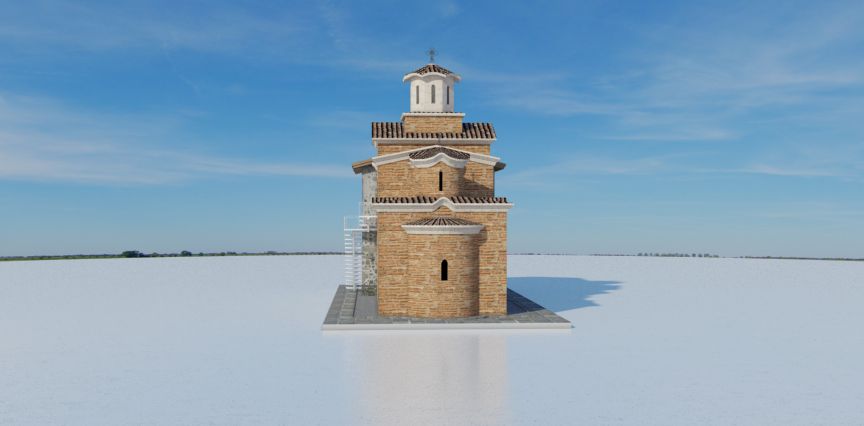
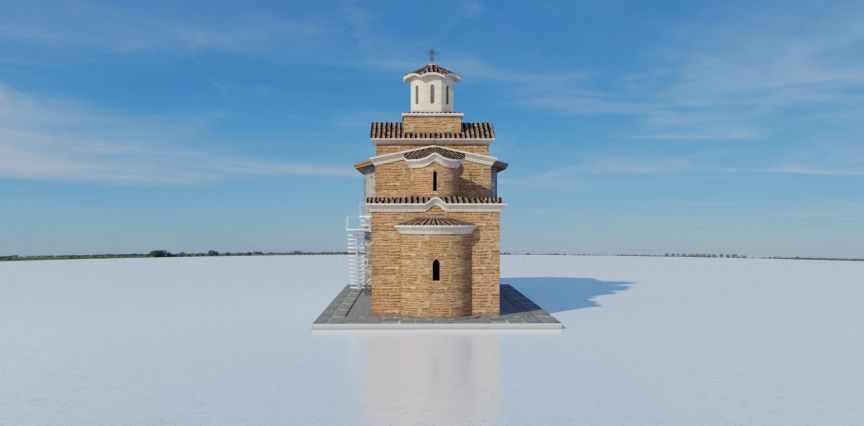
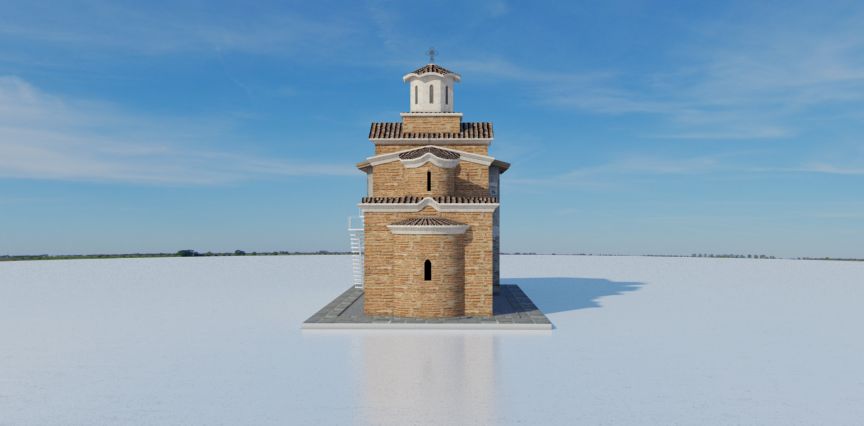
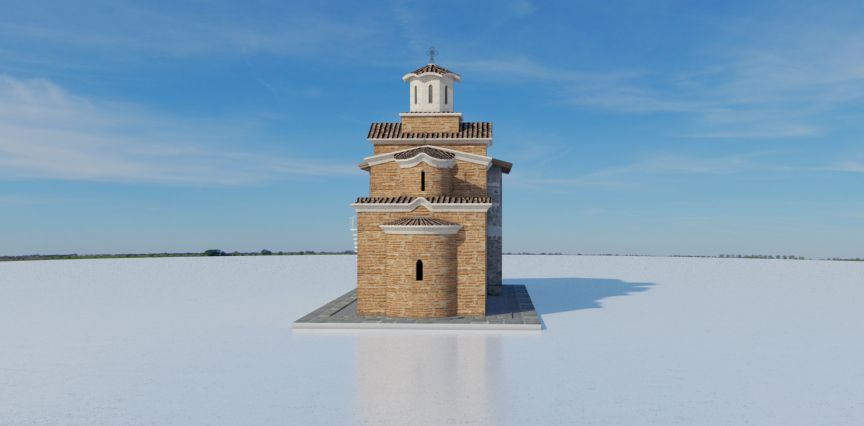
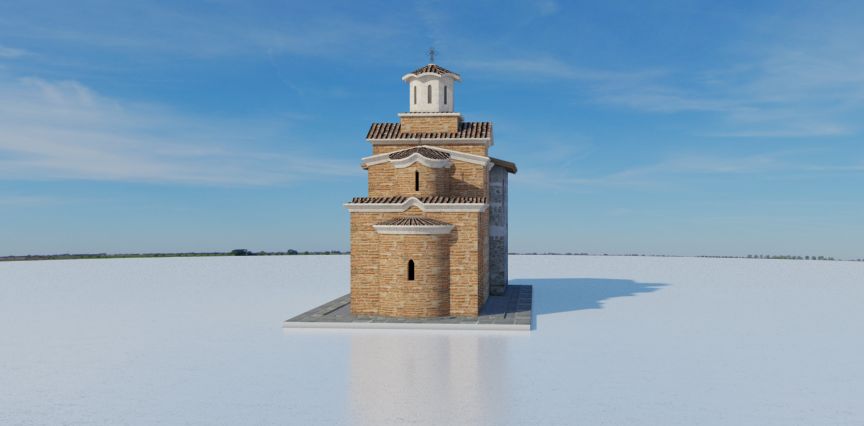
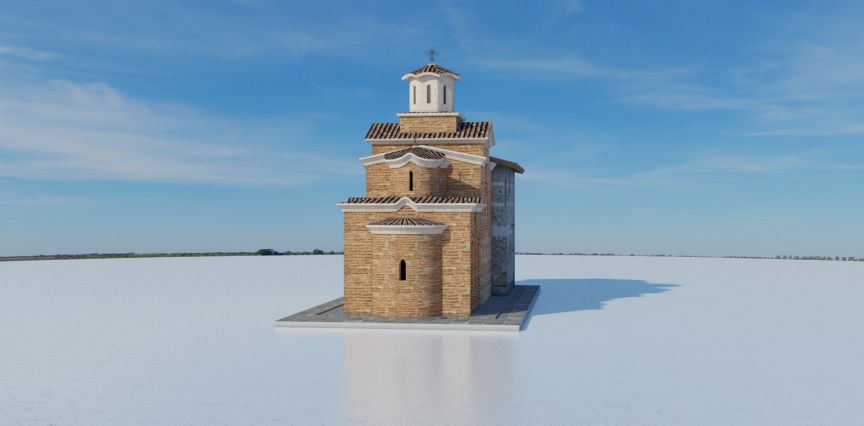
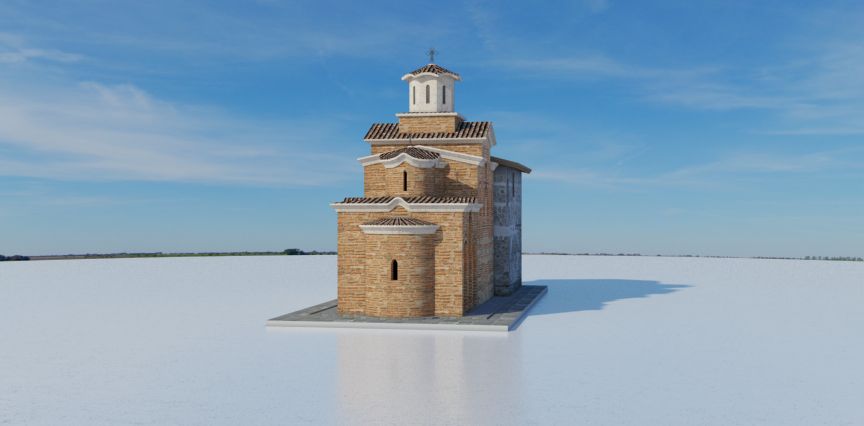
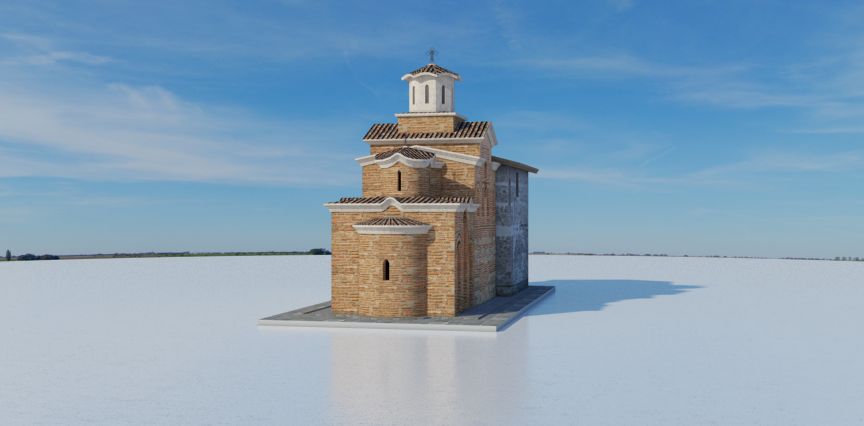
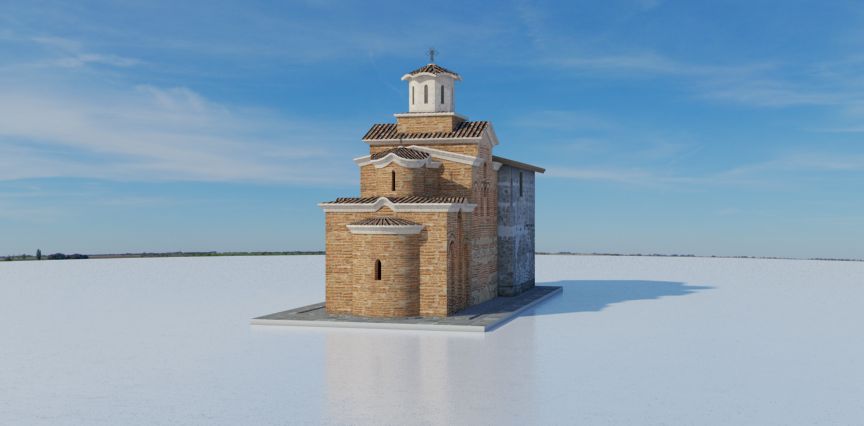
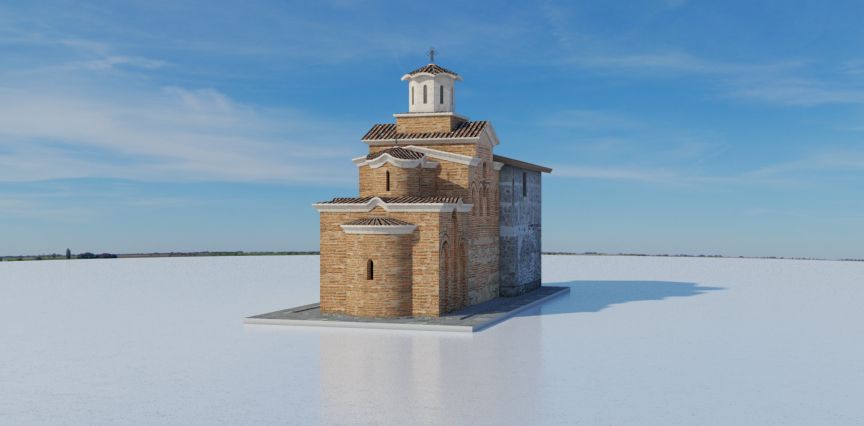
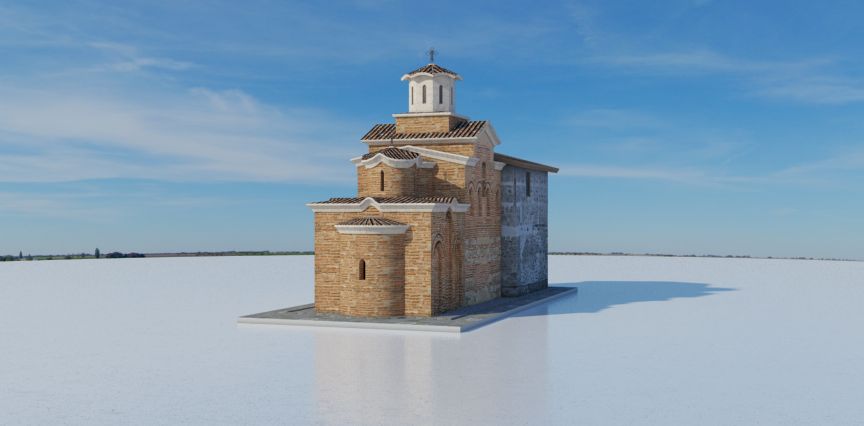
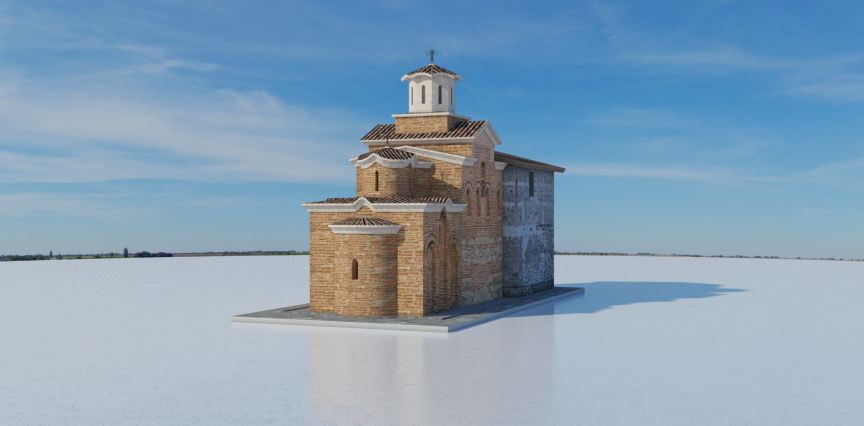
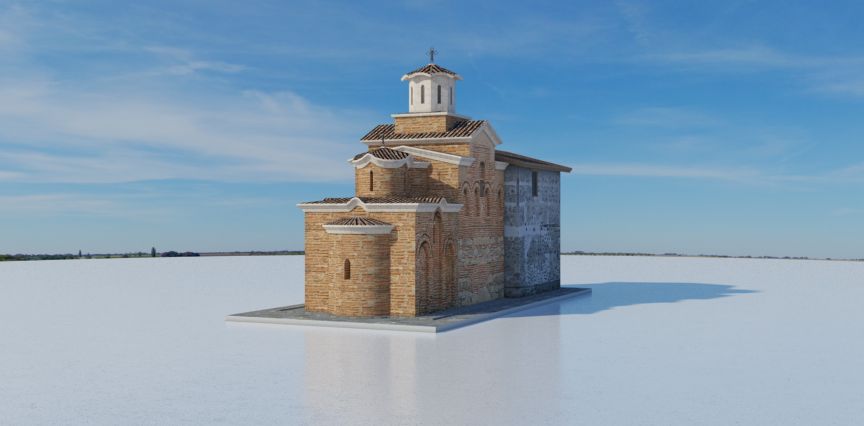
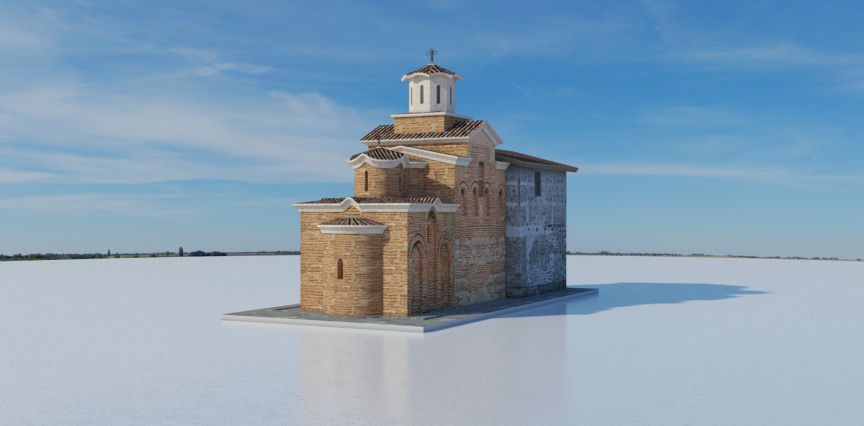
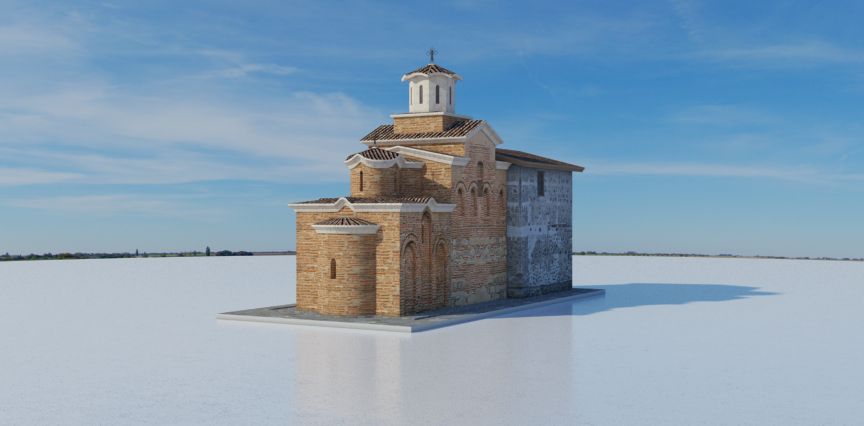
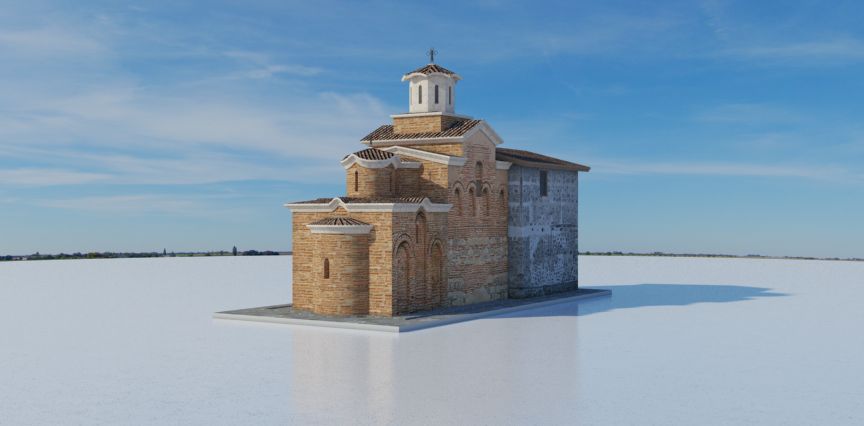
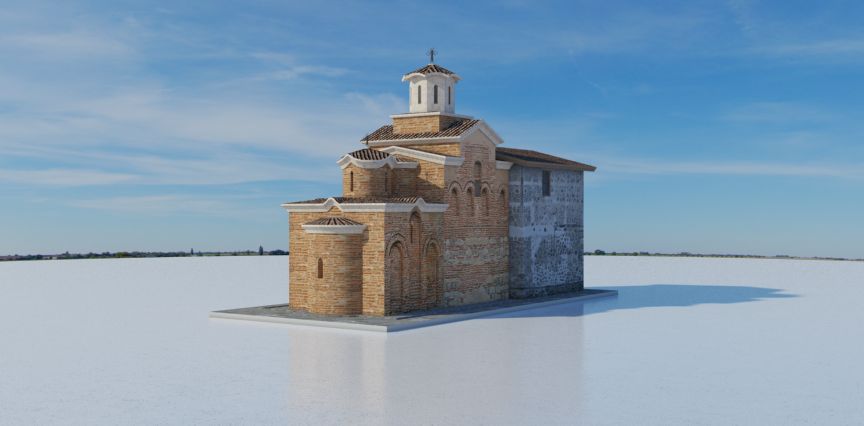
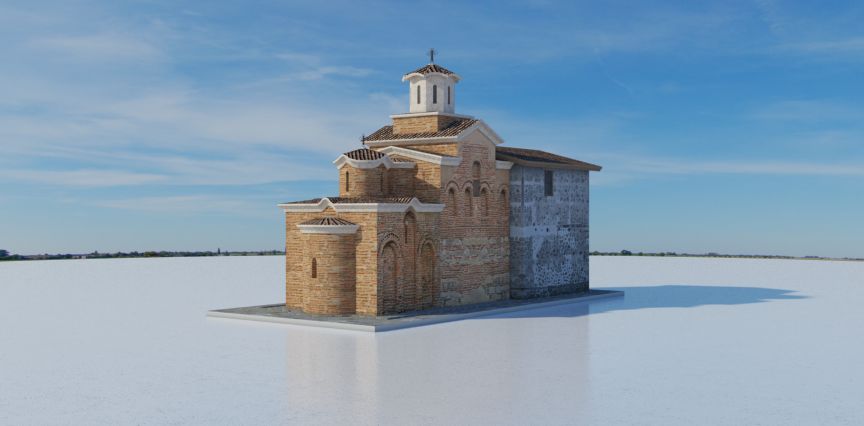
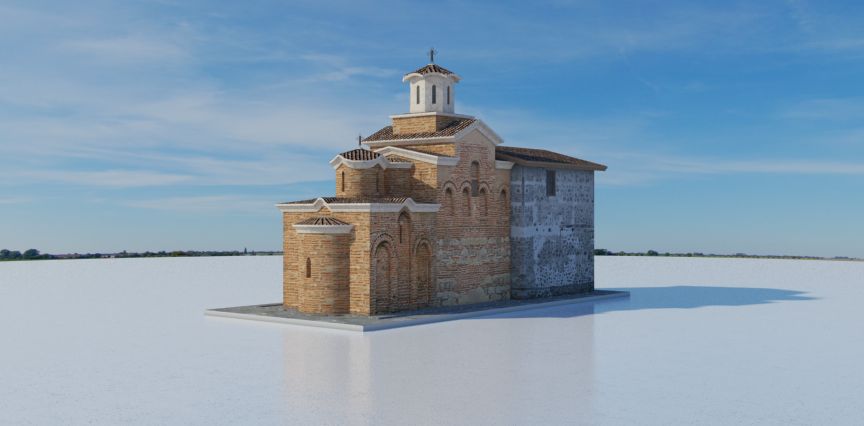
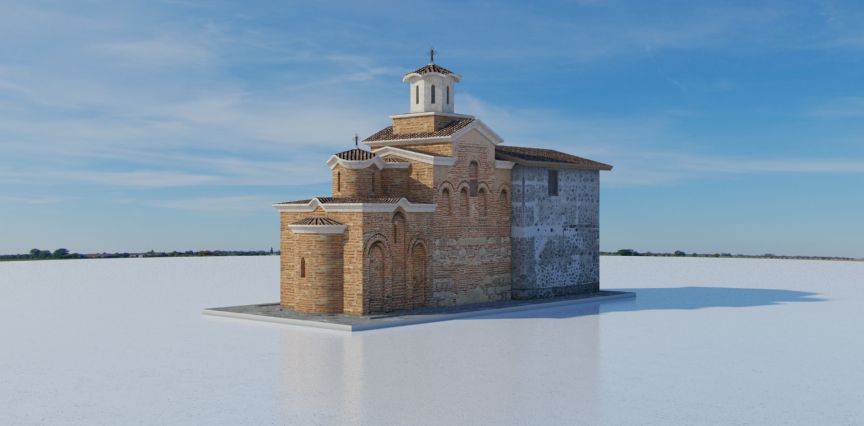
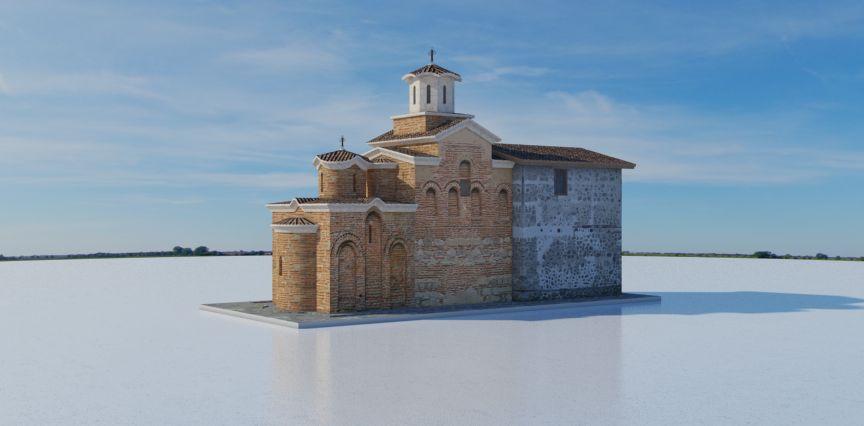
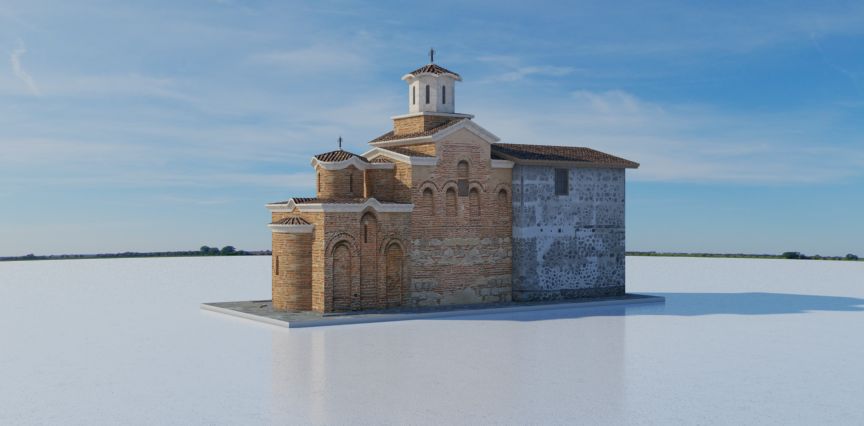
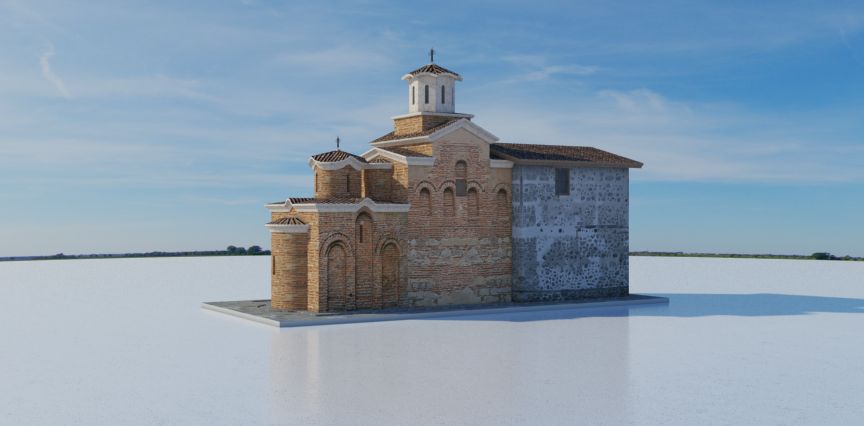
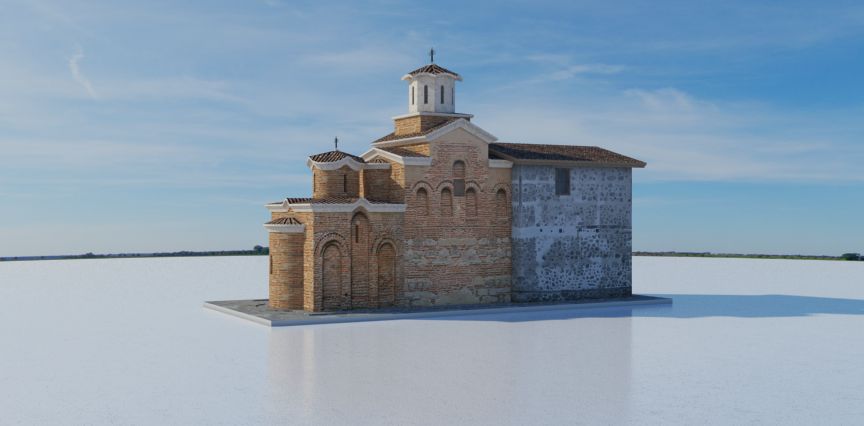
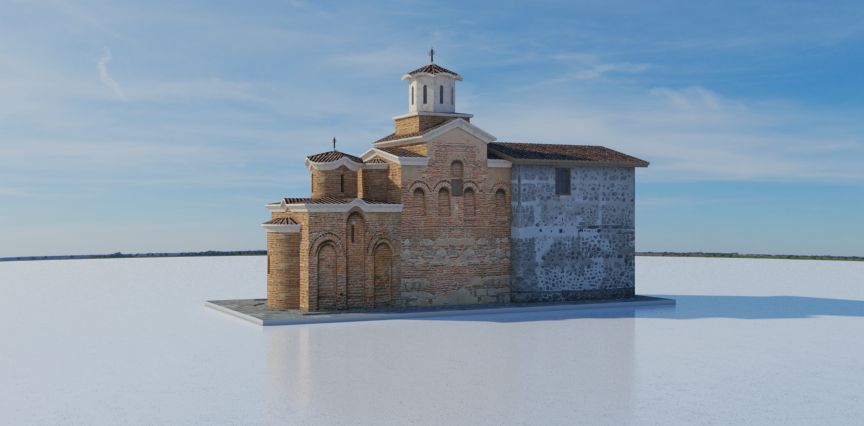
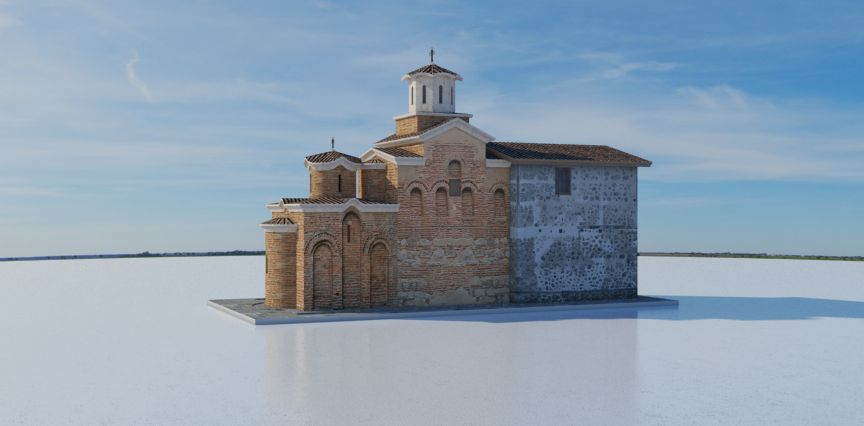
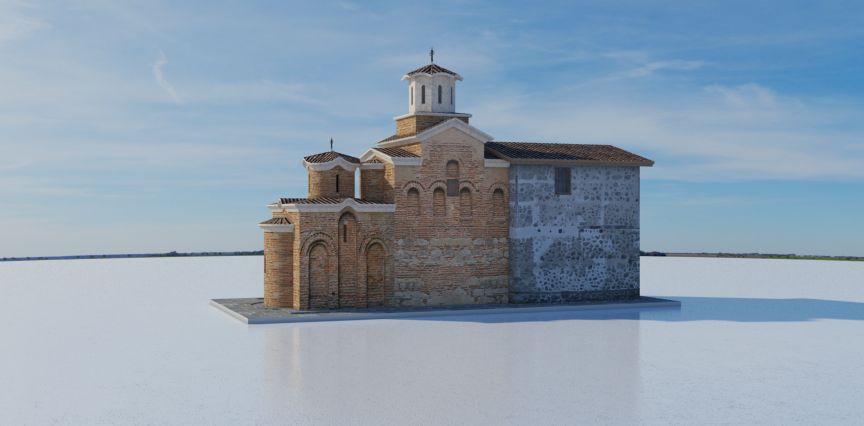
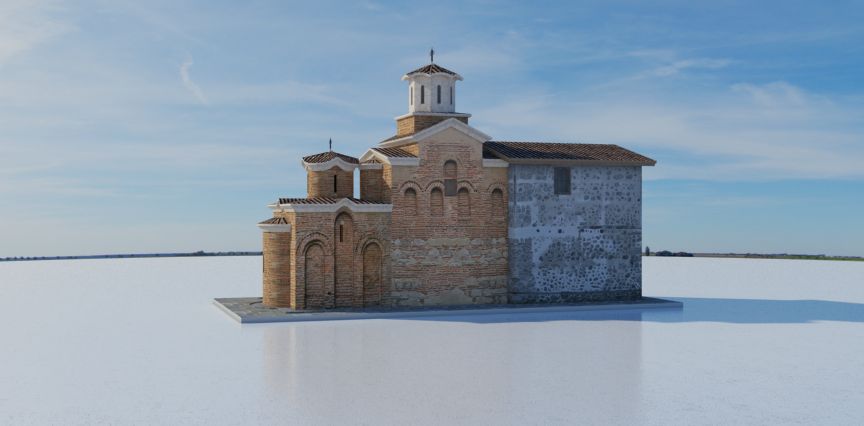
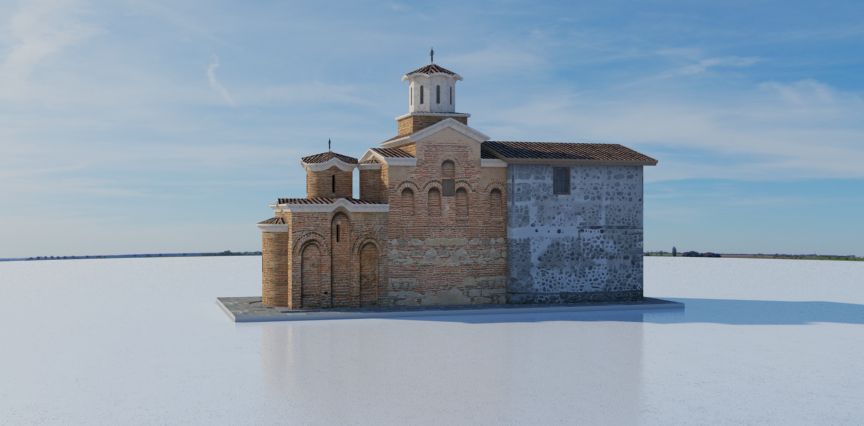
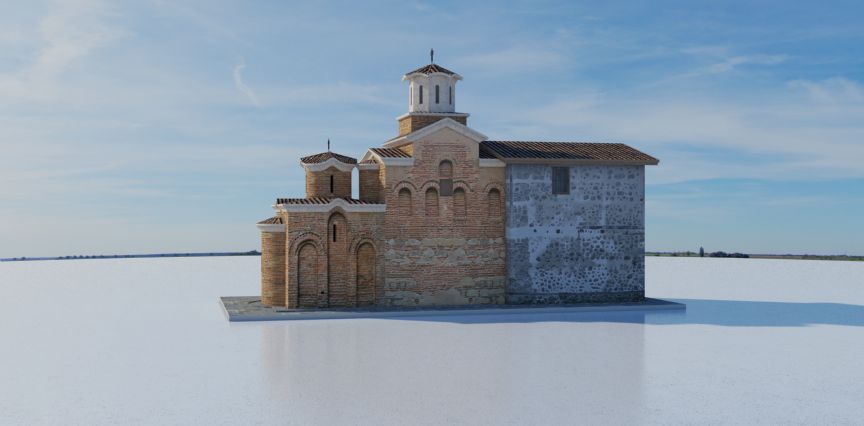
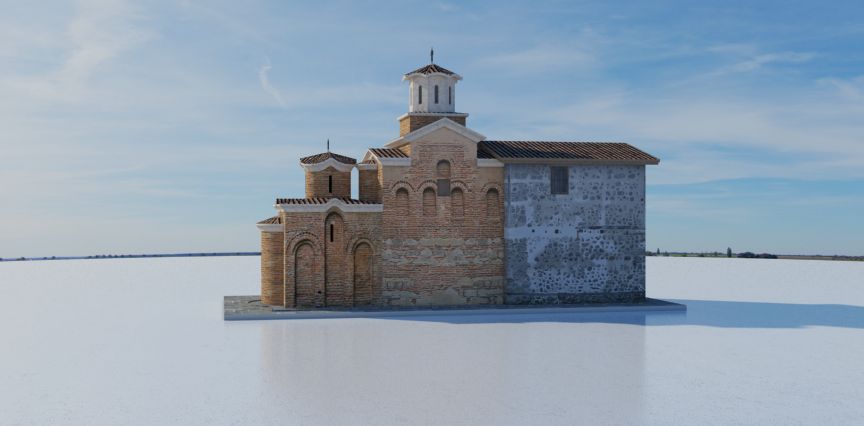
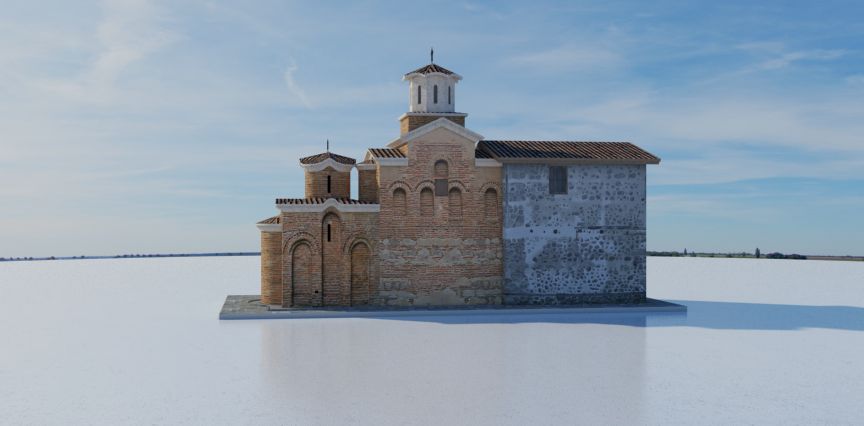
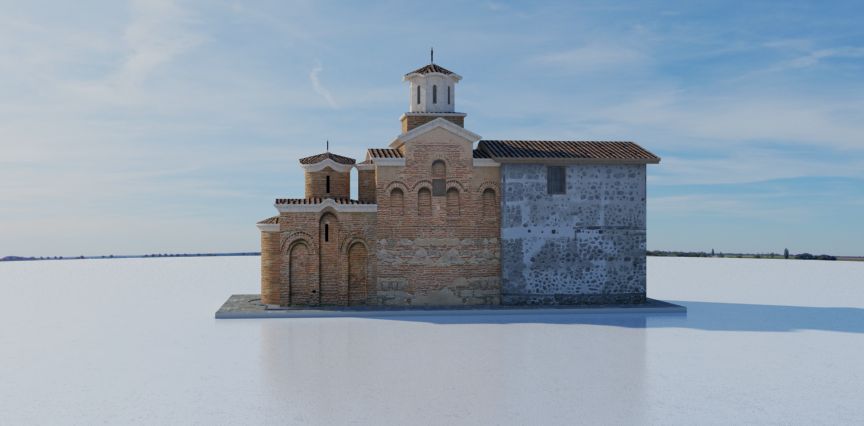
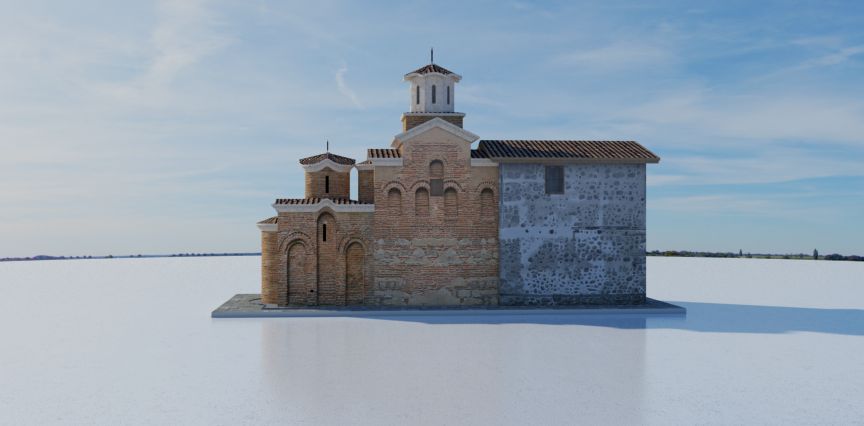
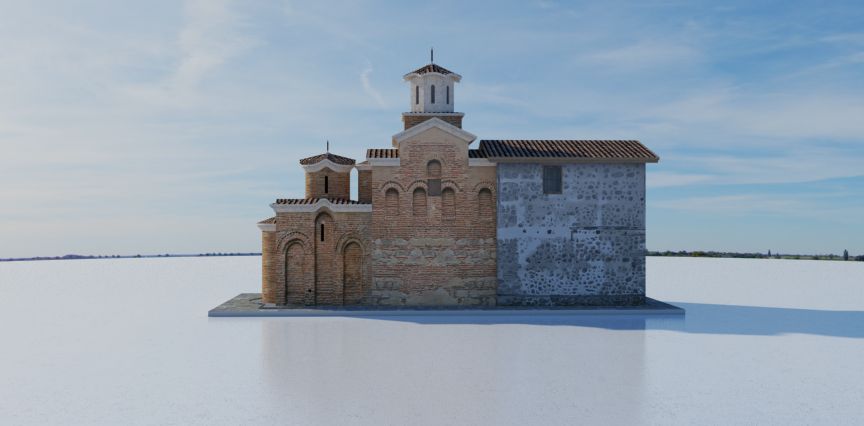
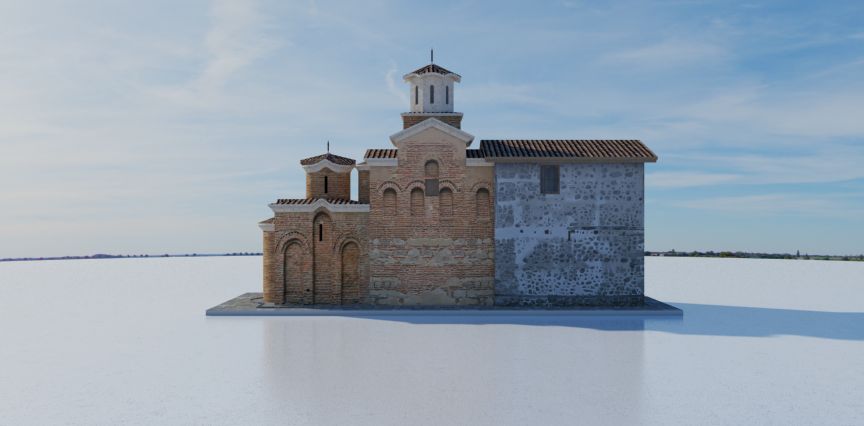
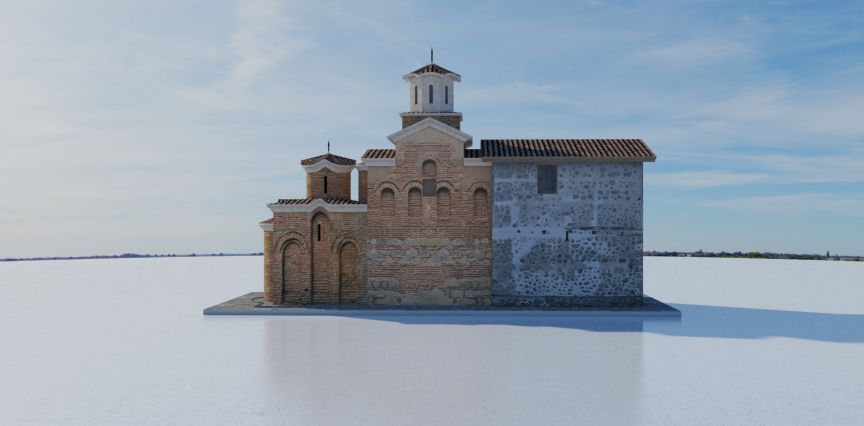
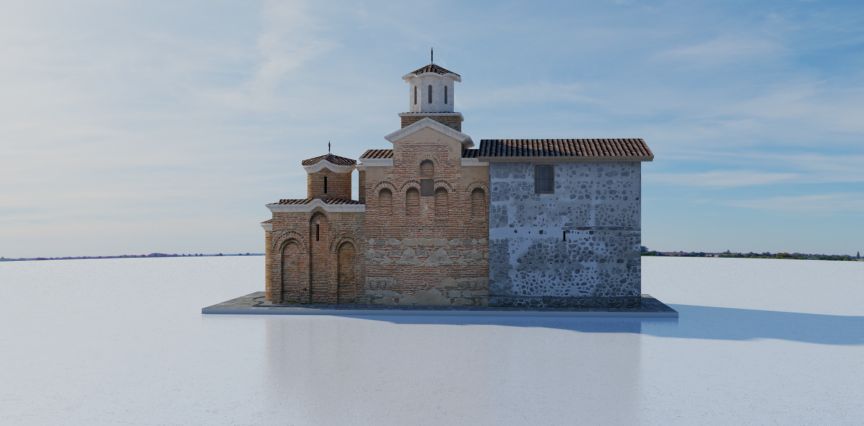
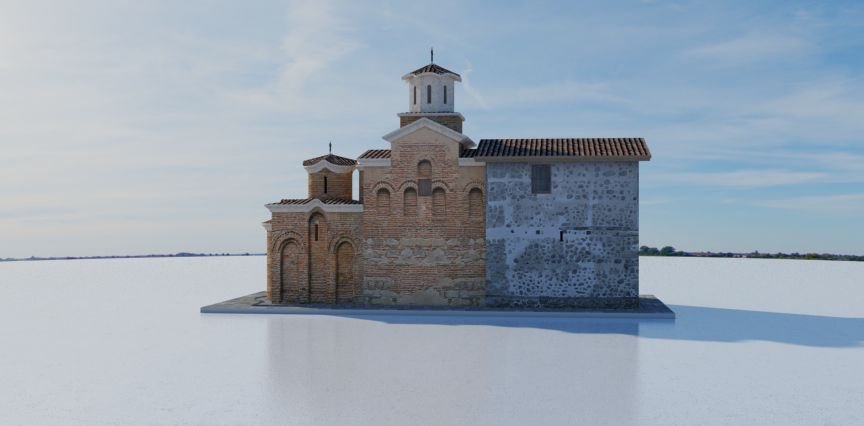
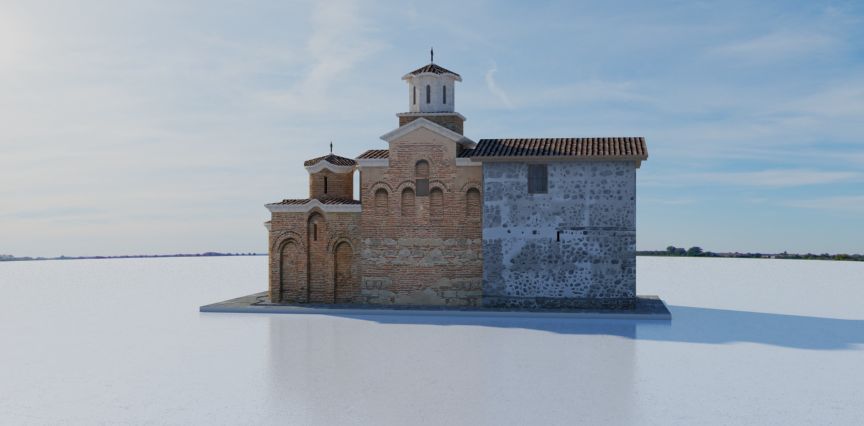
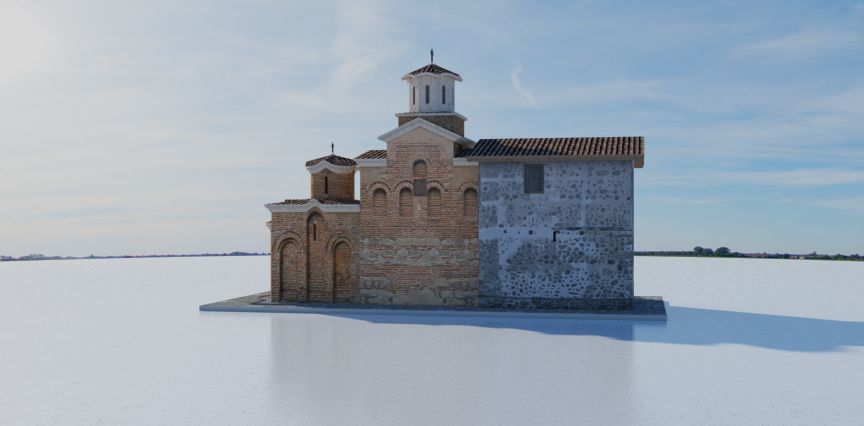
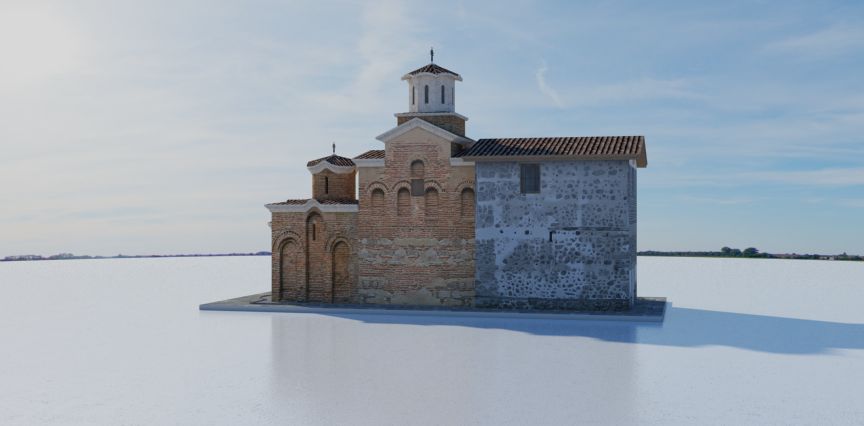
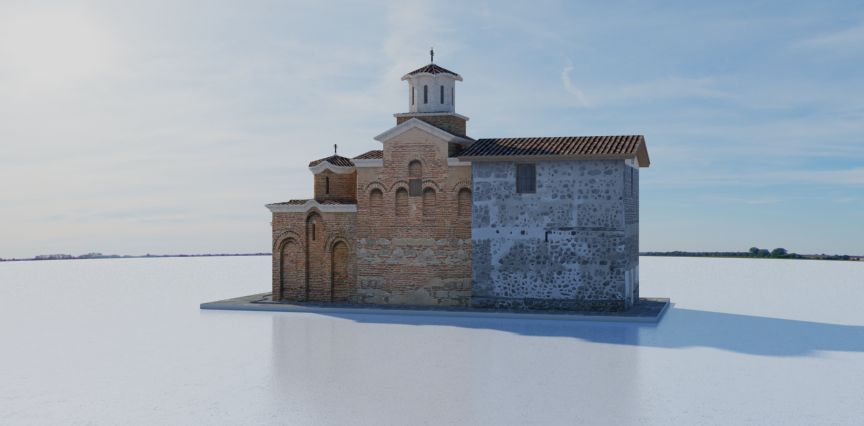
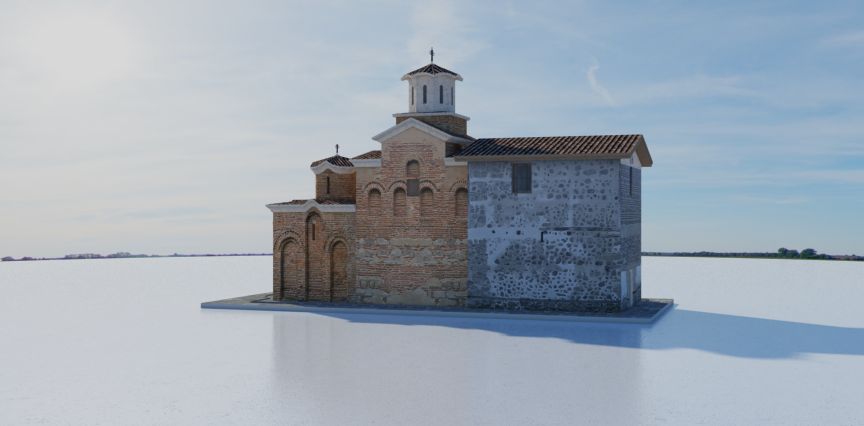
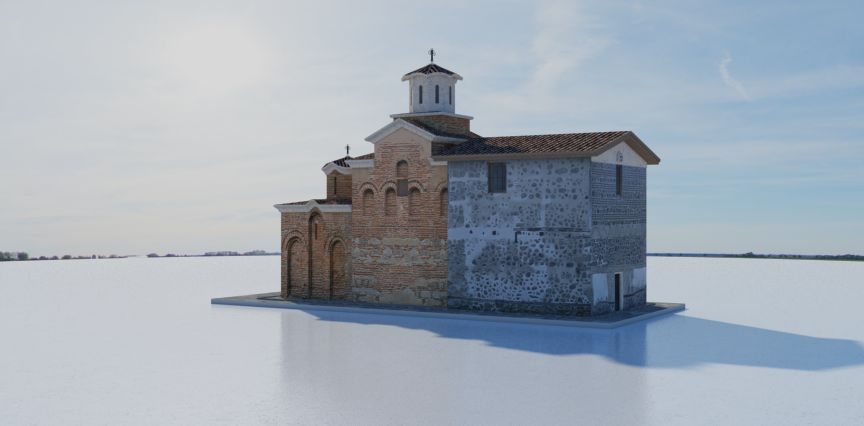
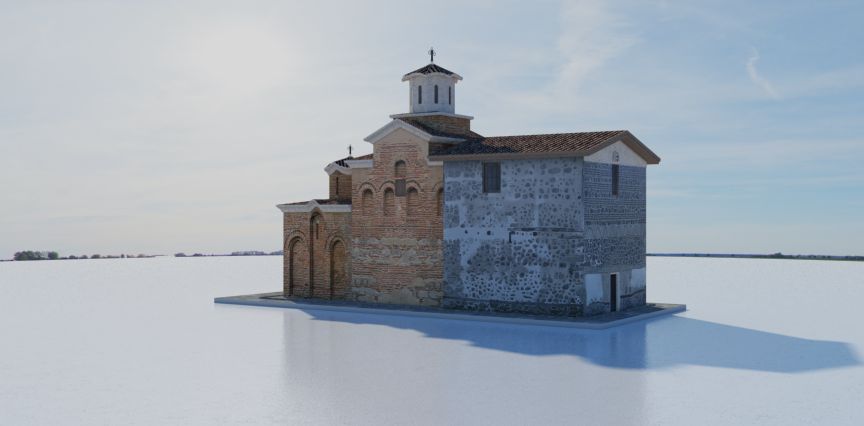
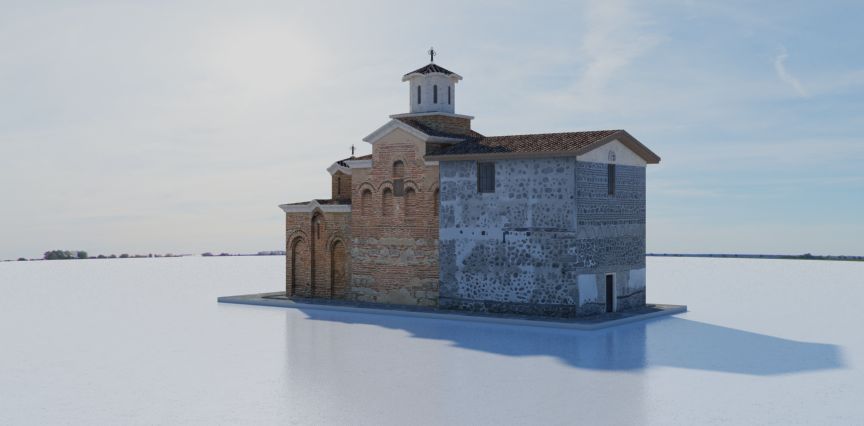
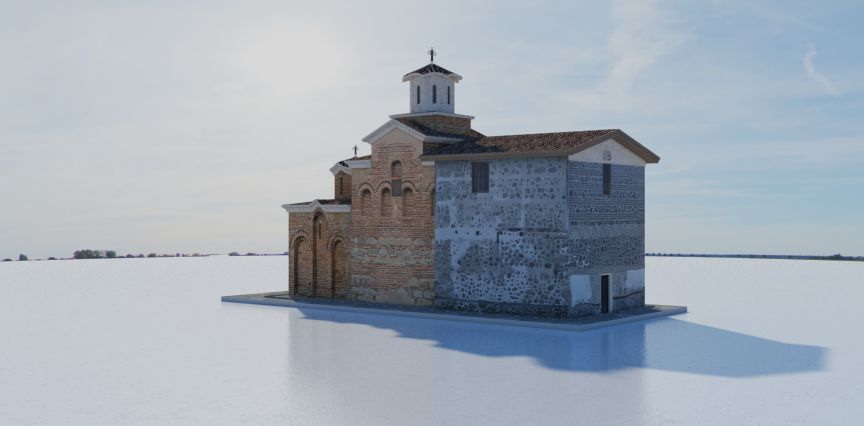
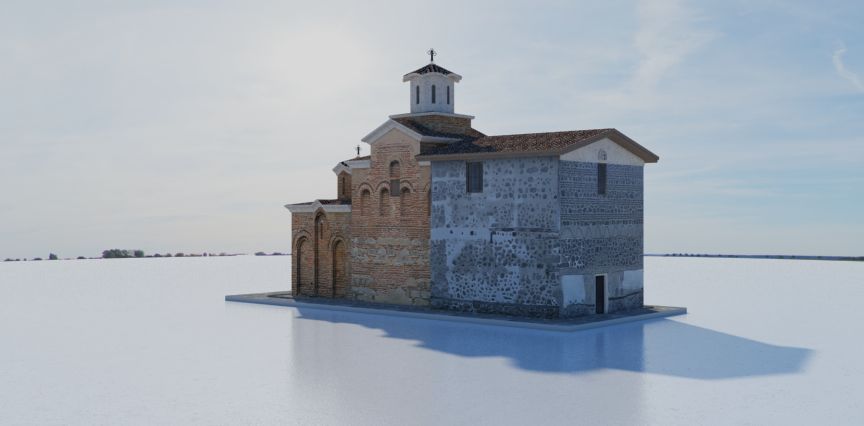
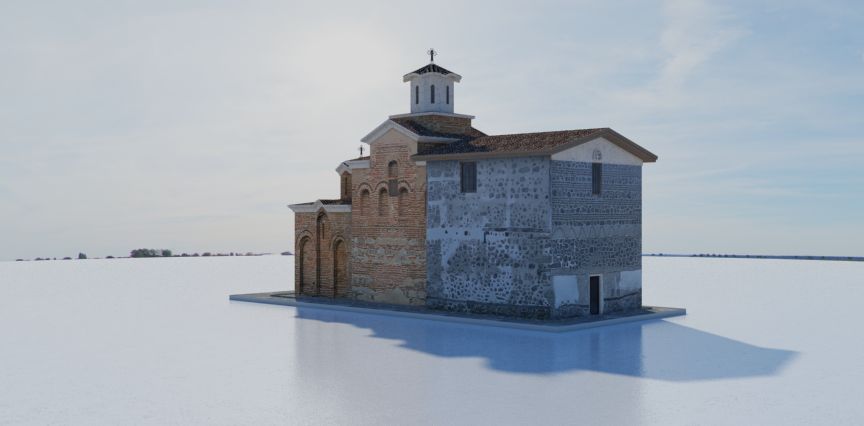
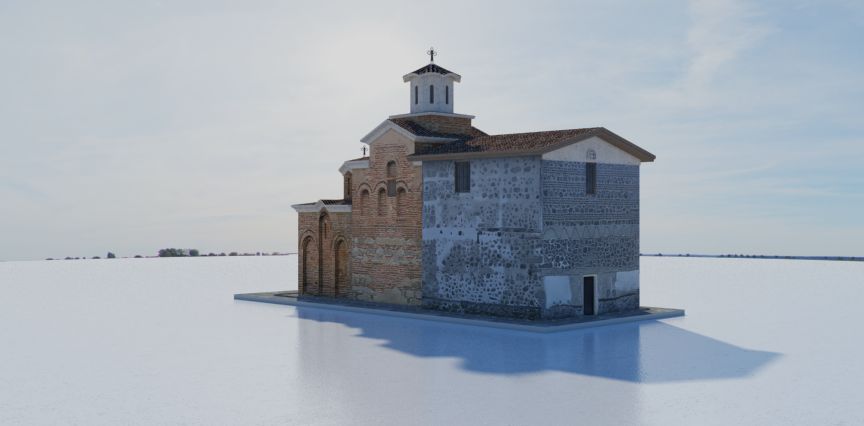
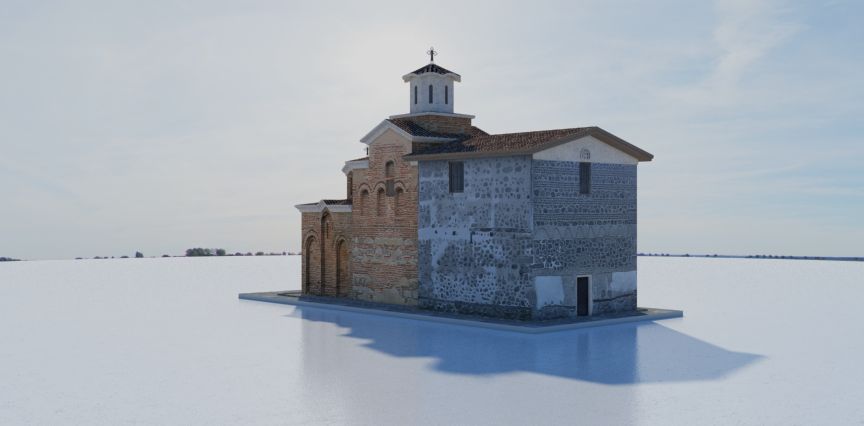
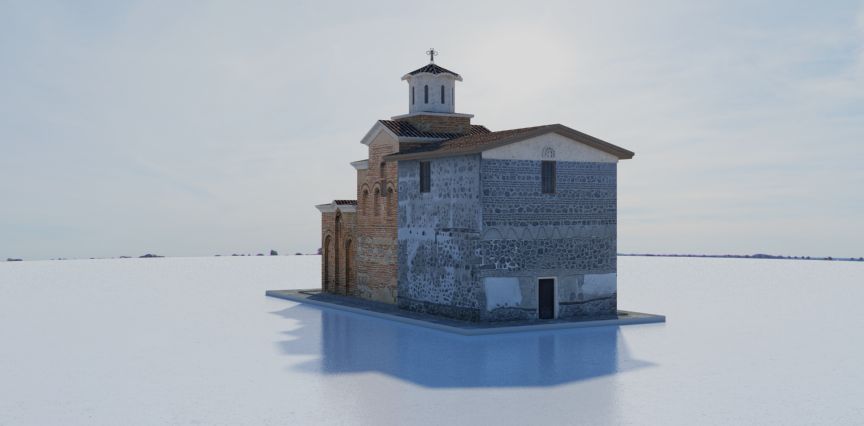
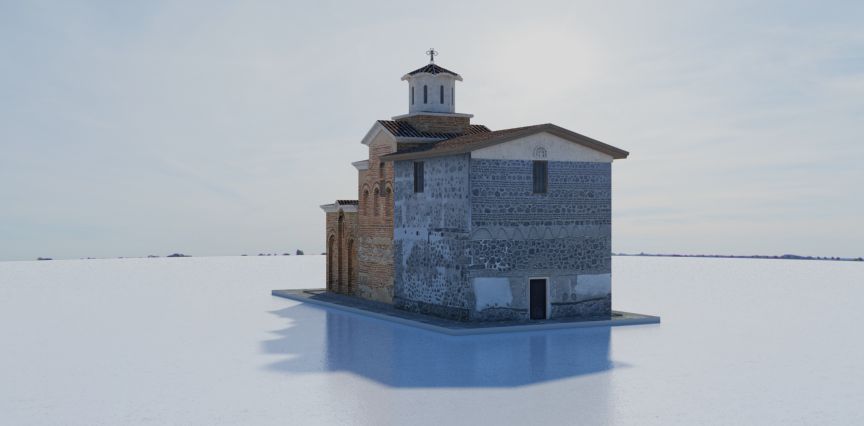
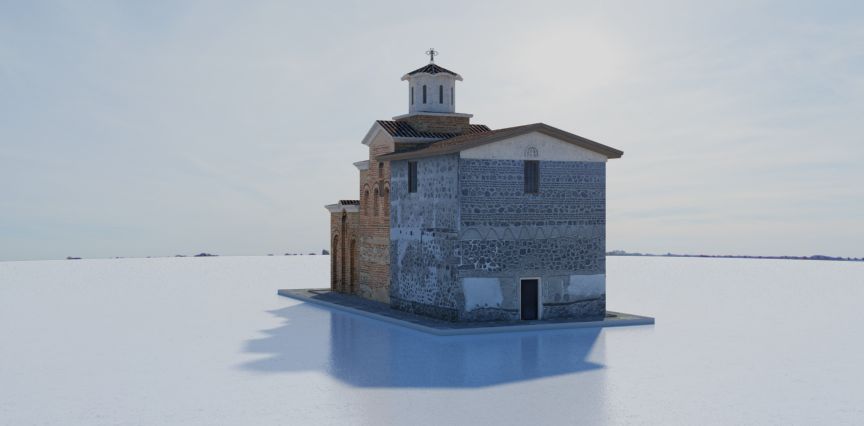
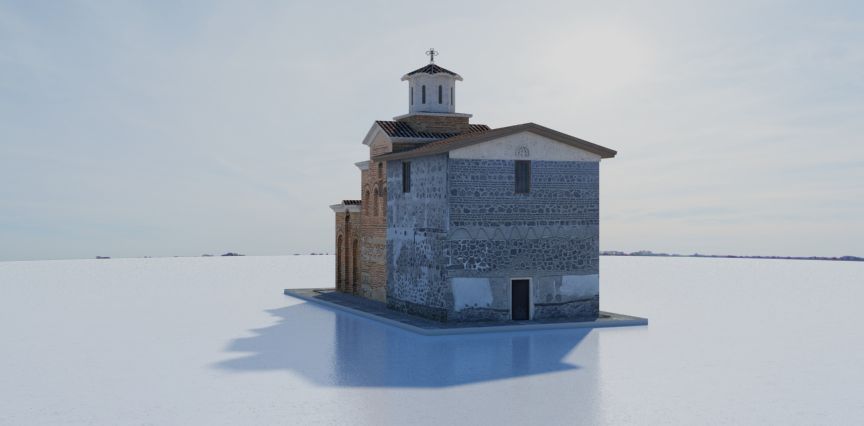
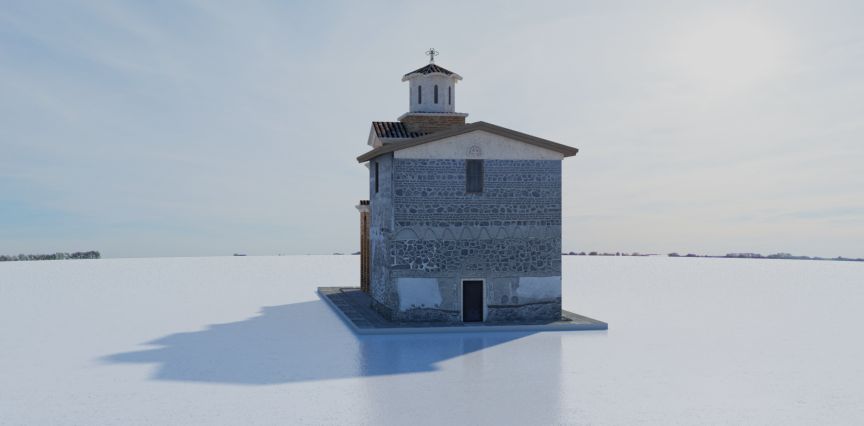
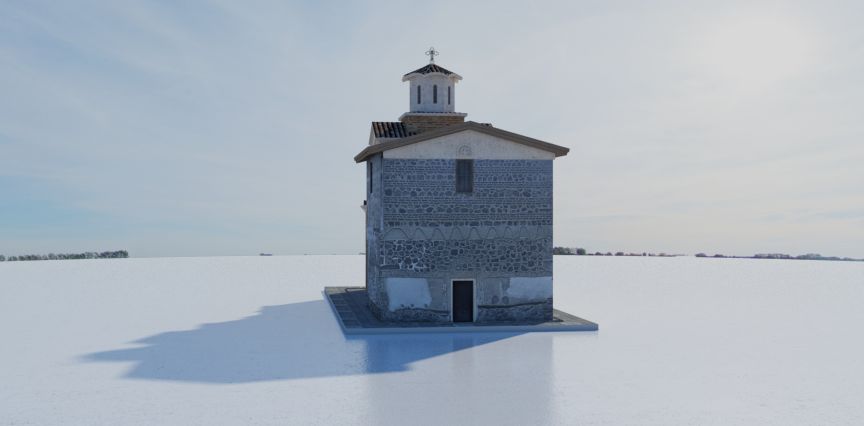
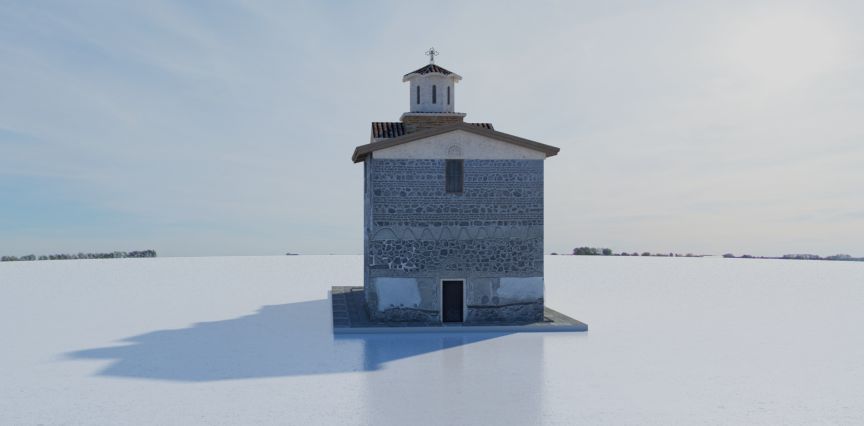
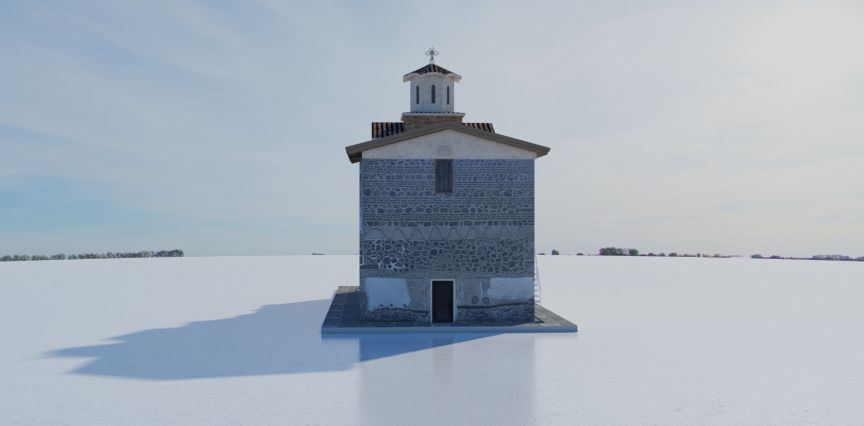
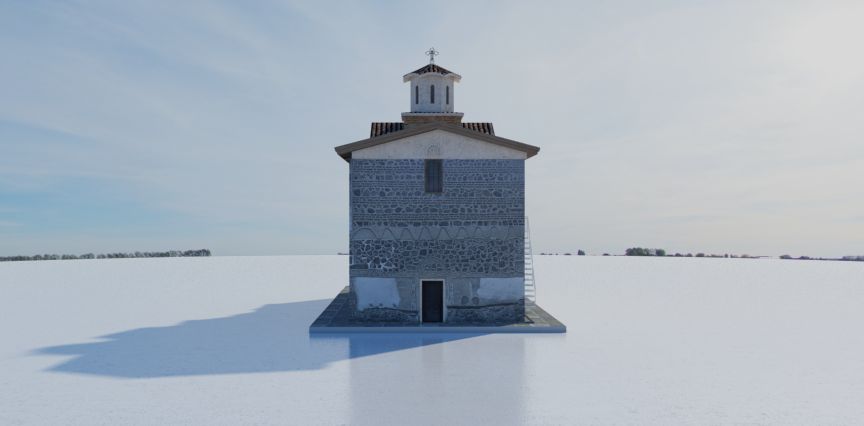
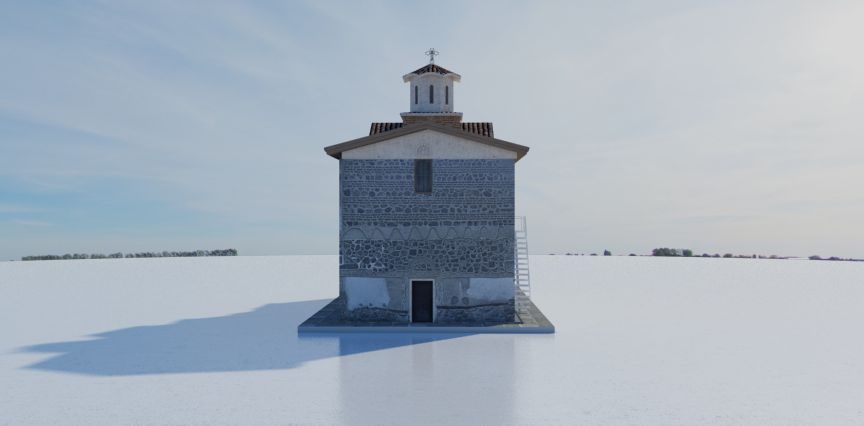
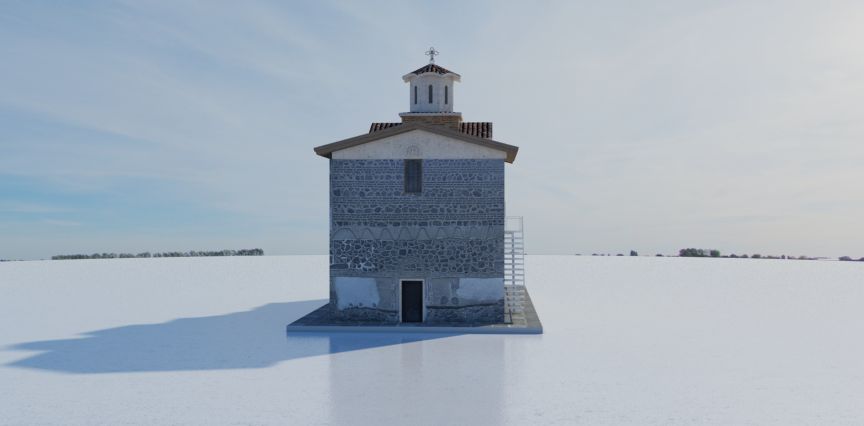
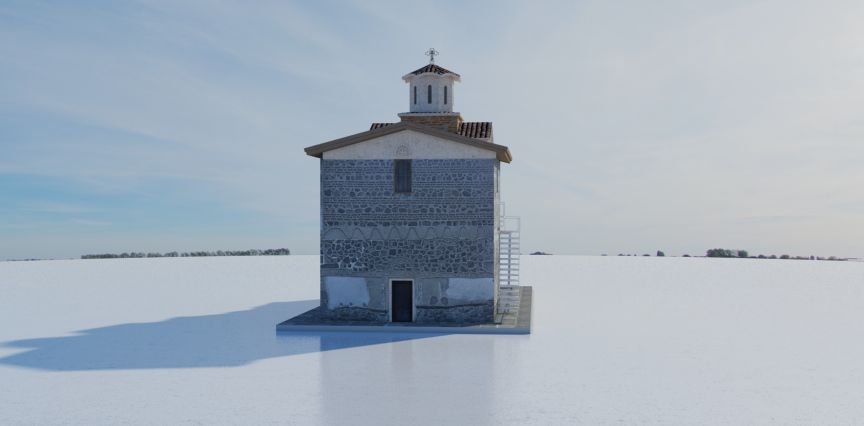
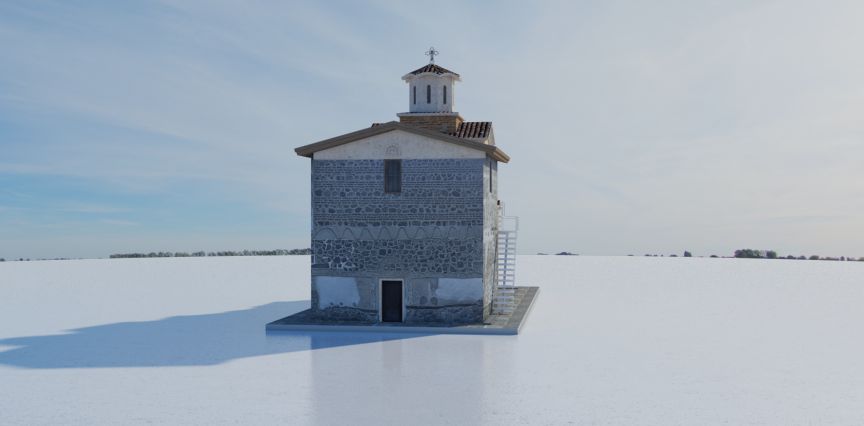
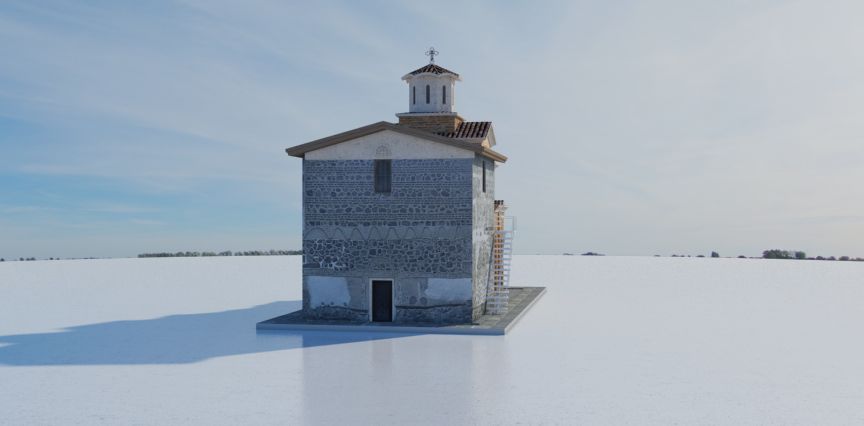
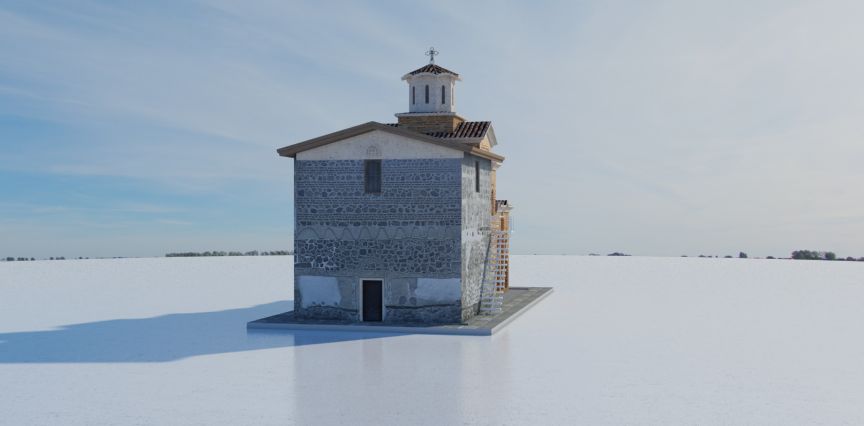
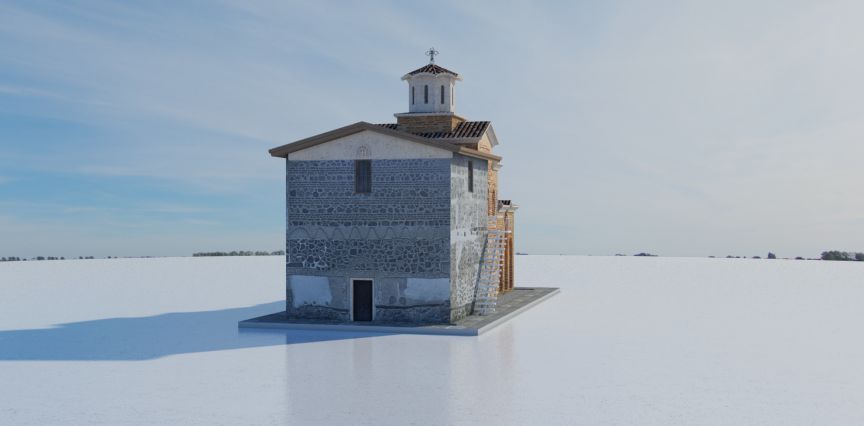
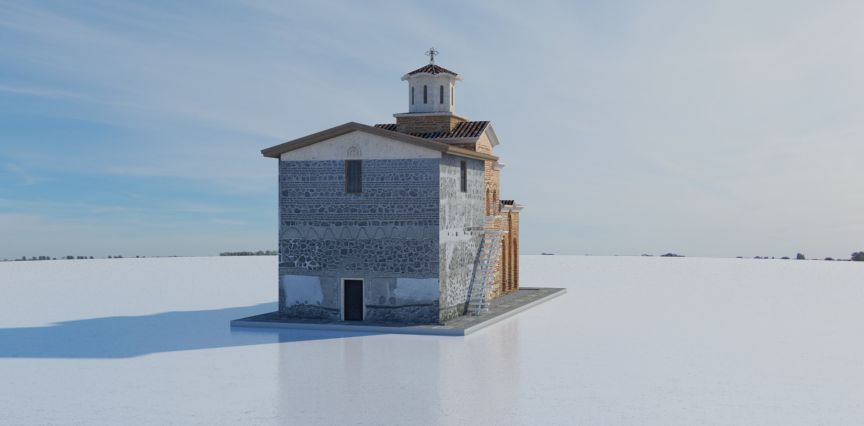
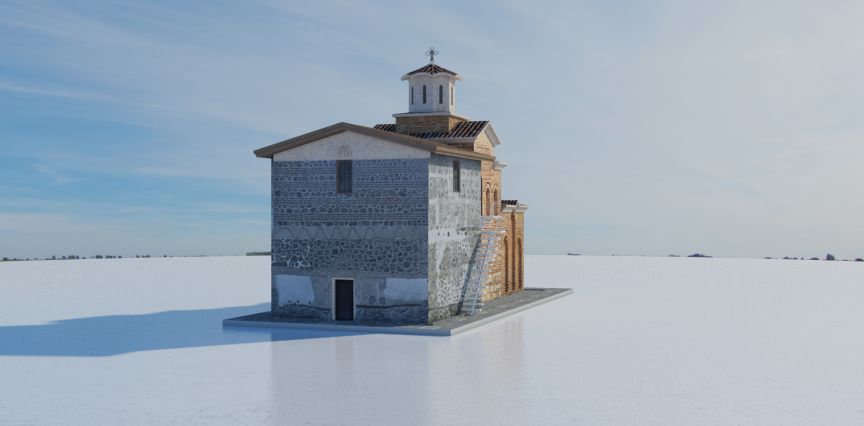
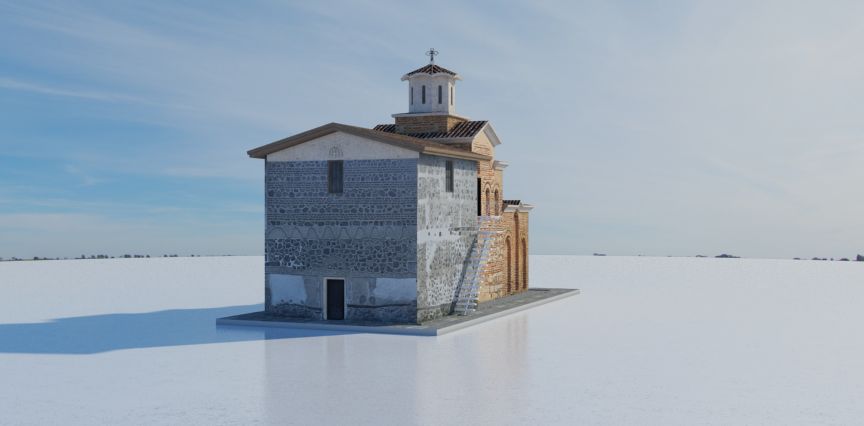
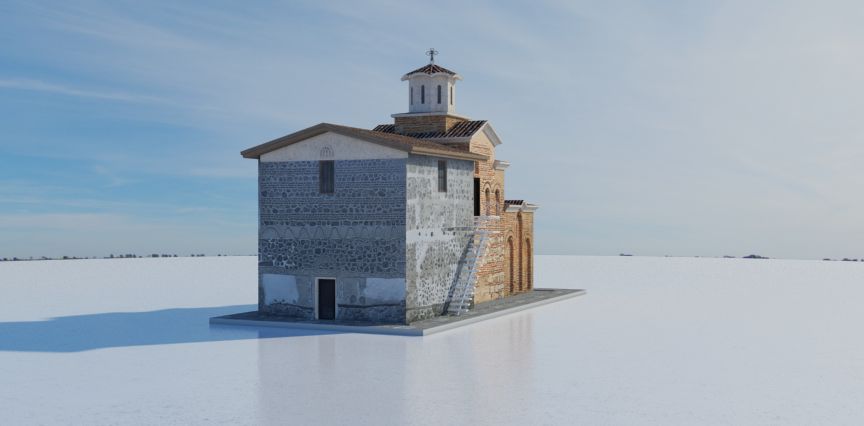
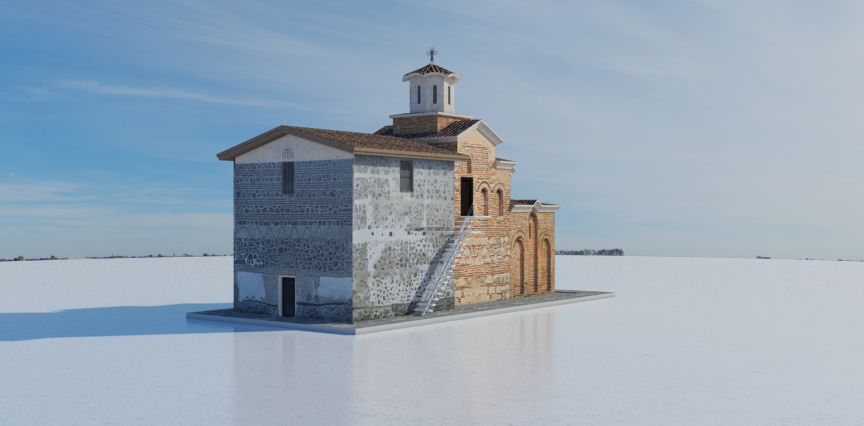
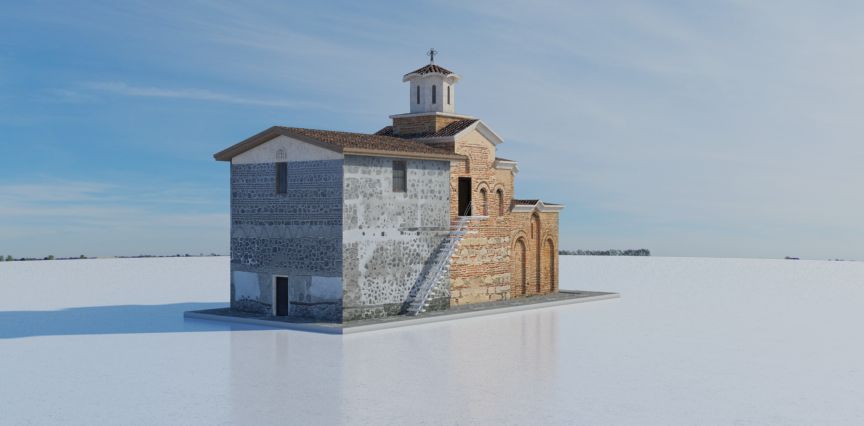
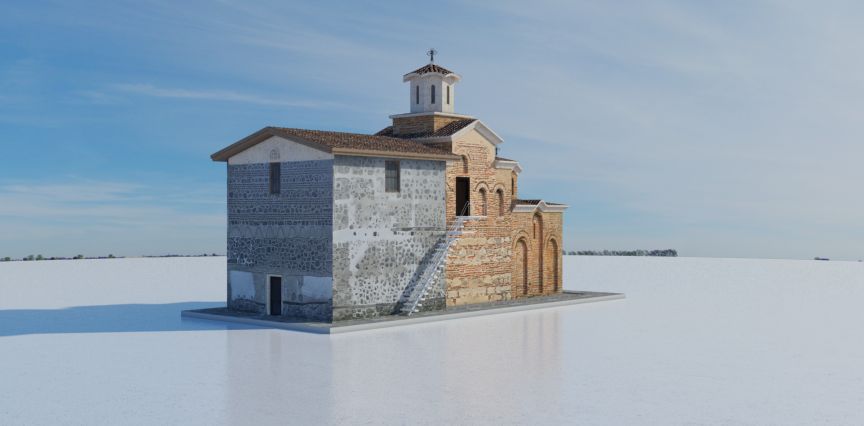
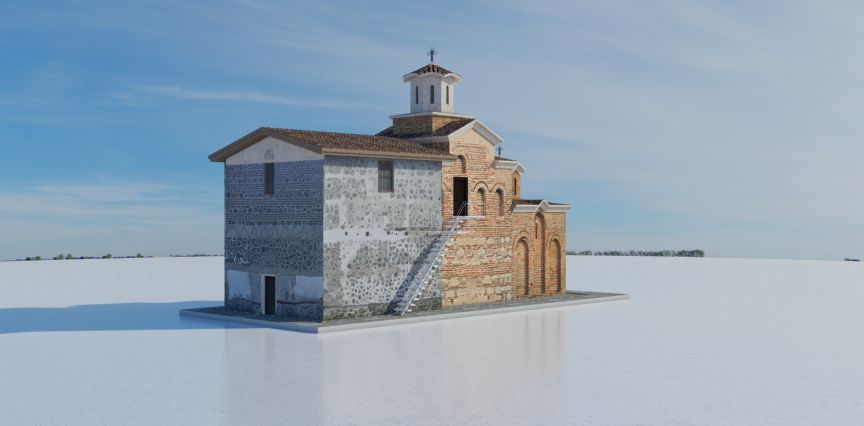
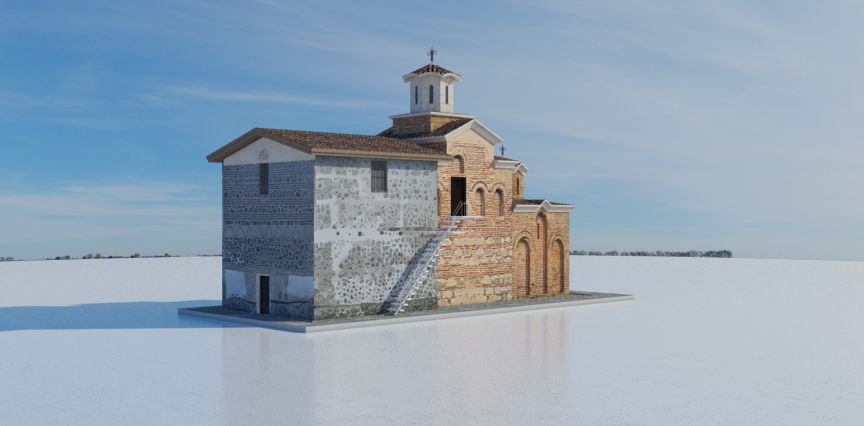
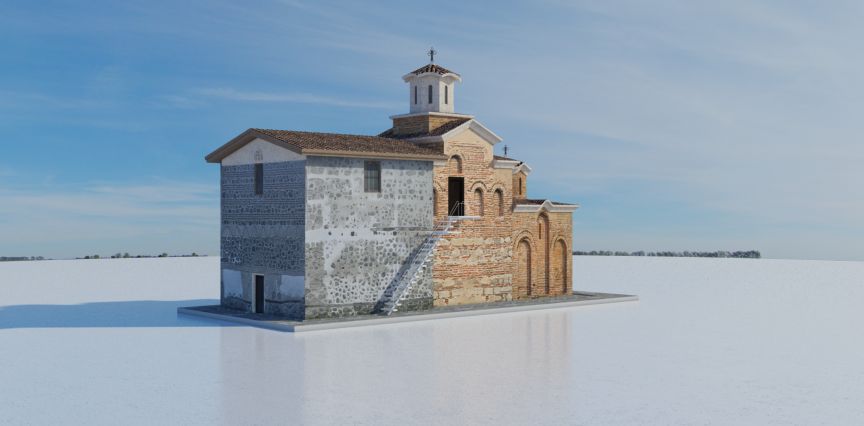
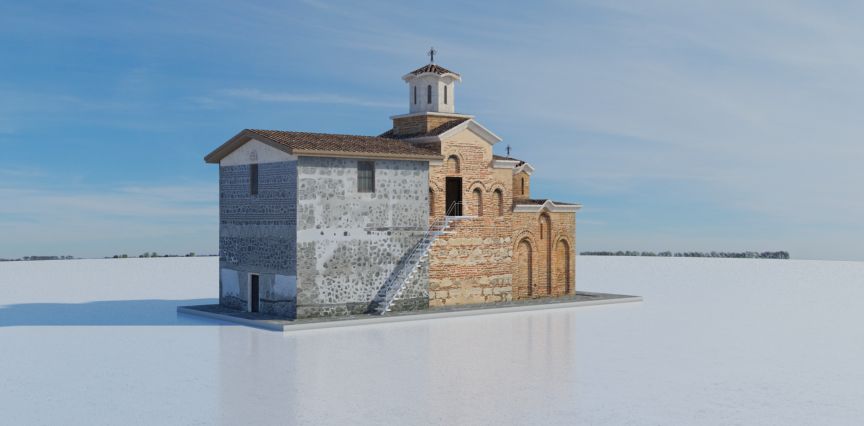
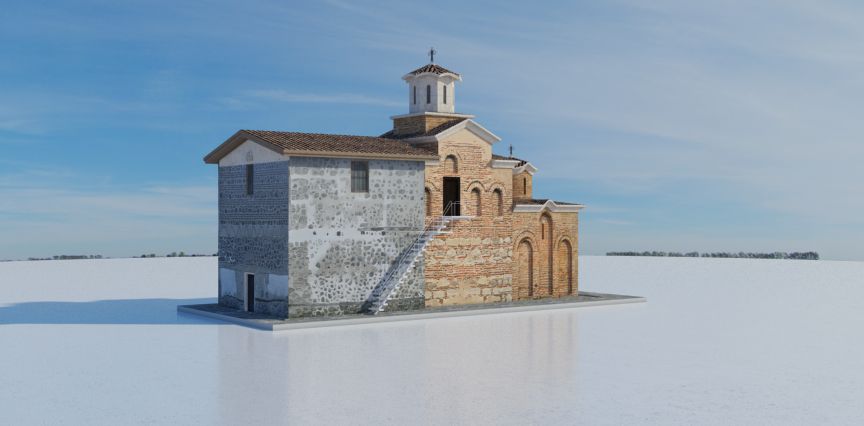
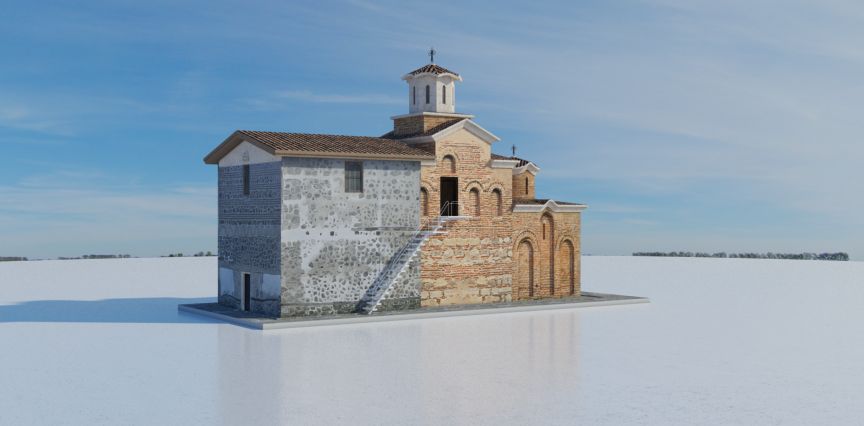
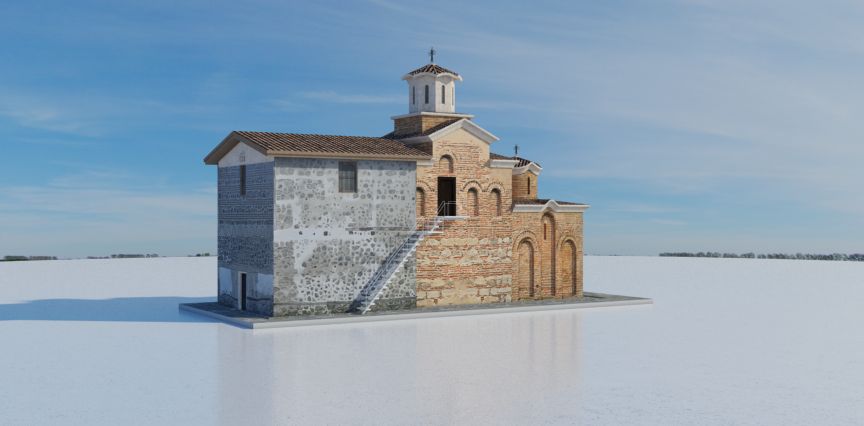
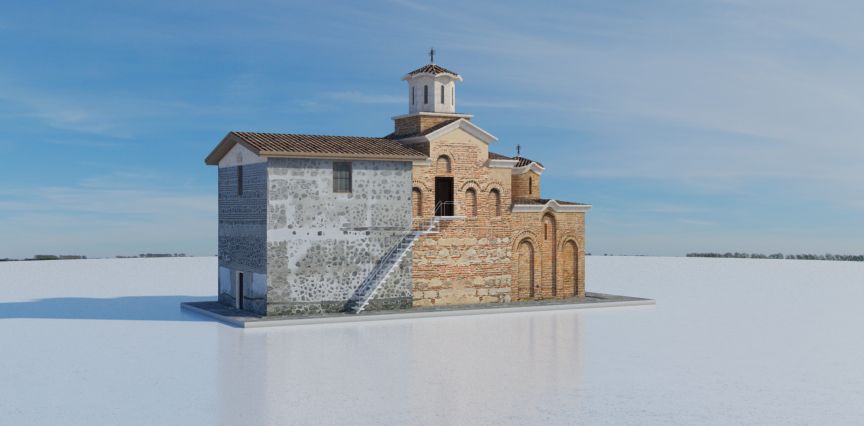
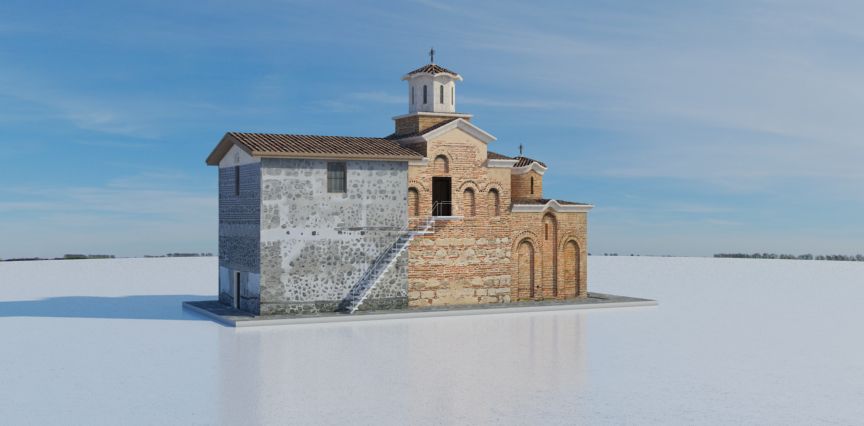
-
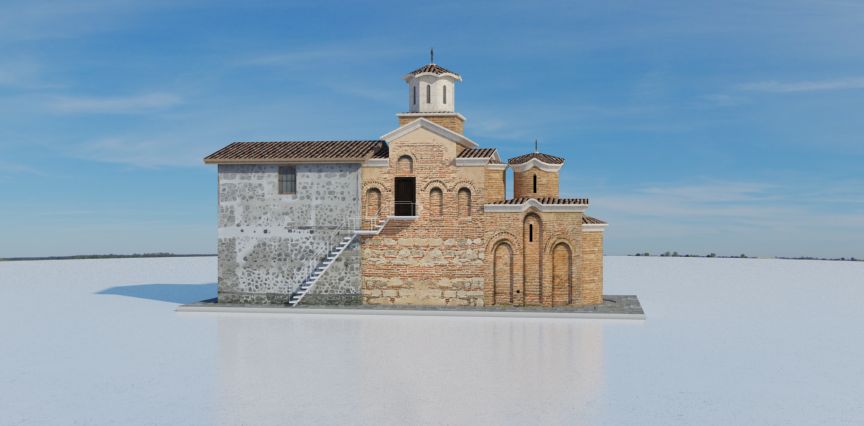
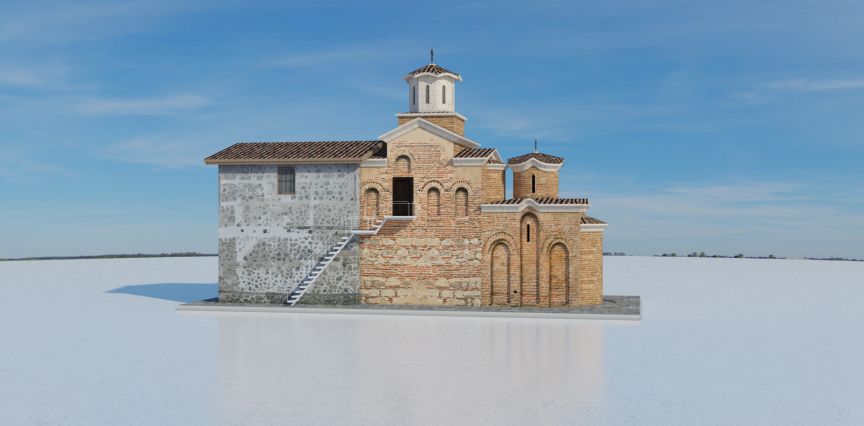
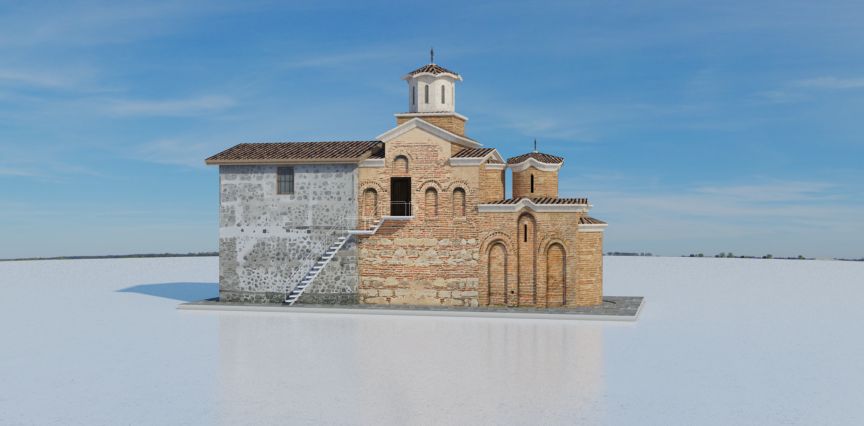
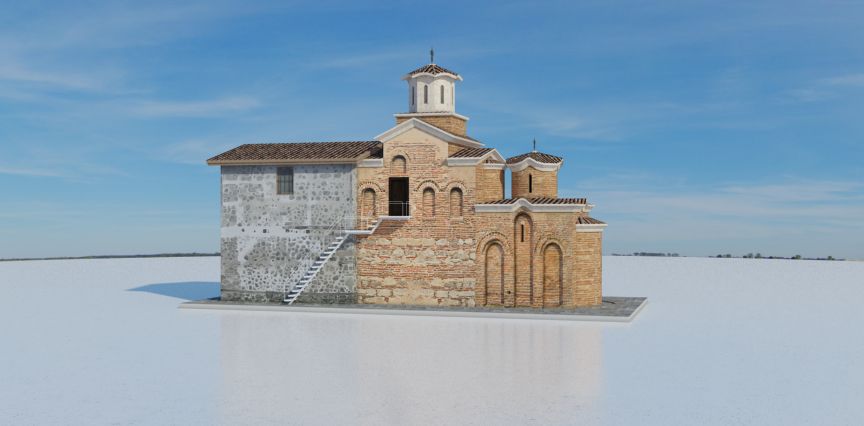
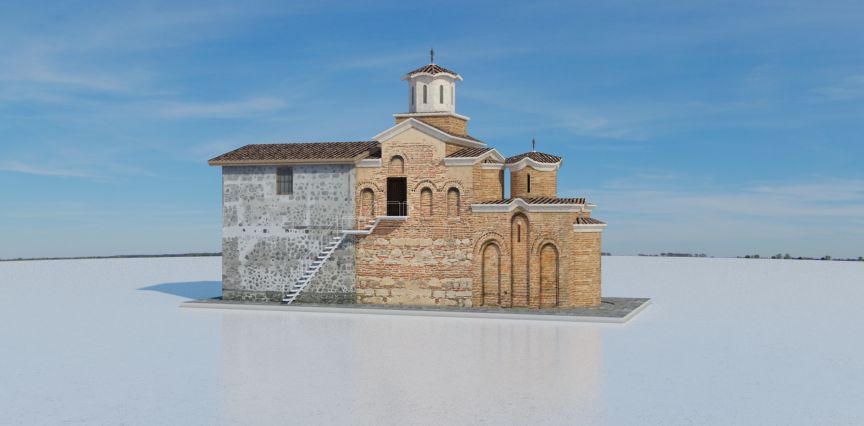
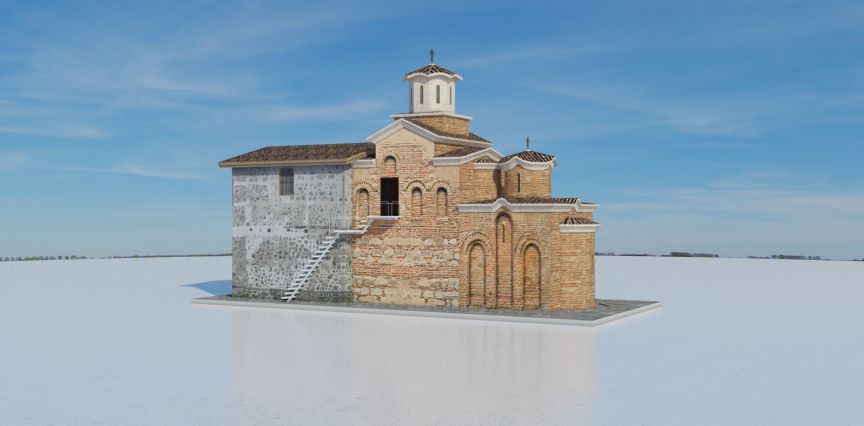
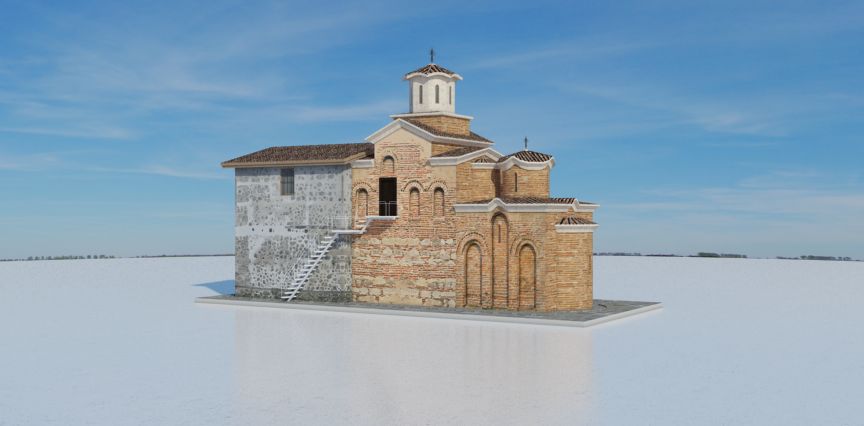
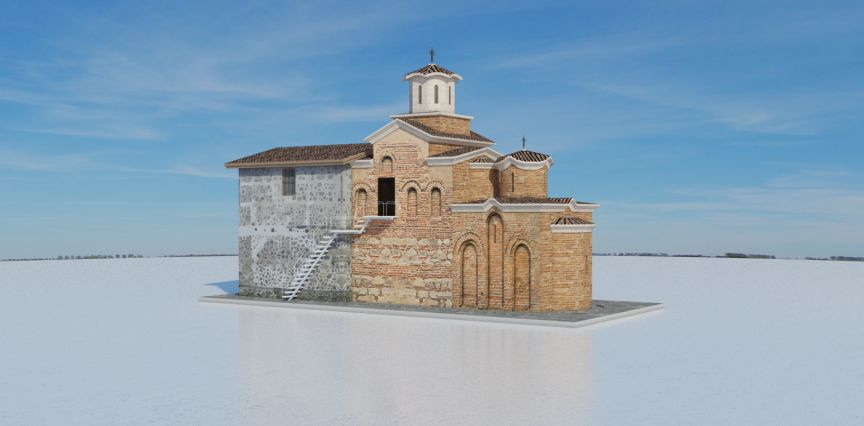
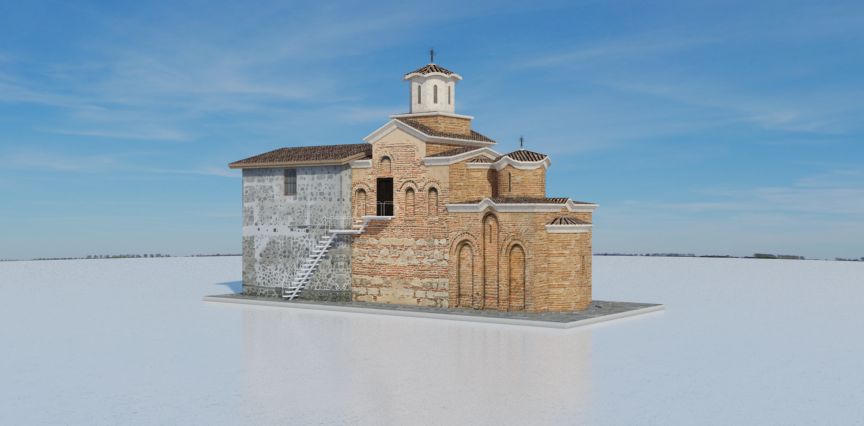
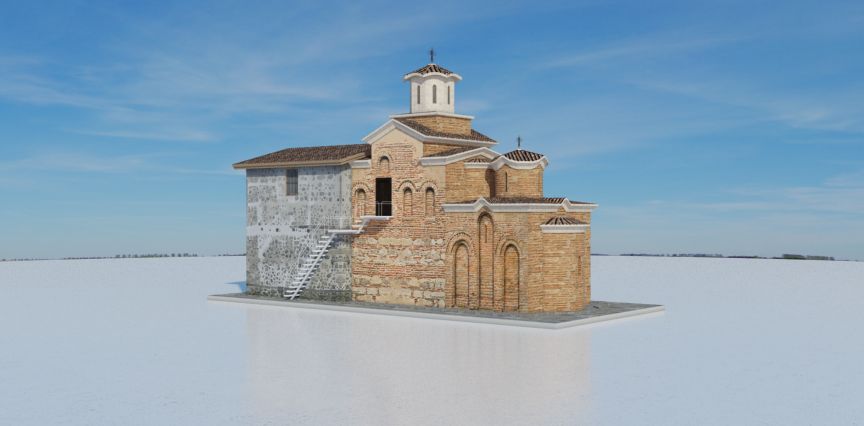
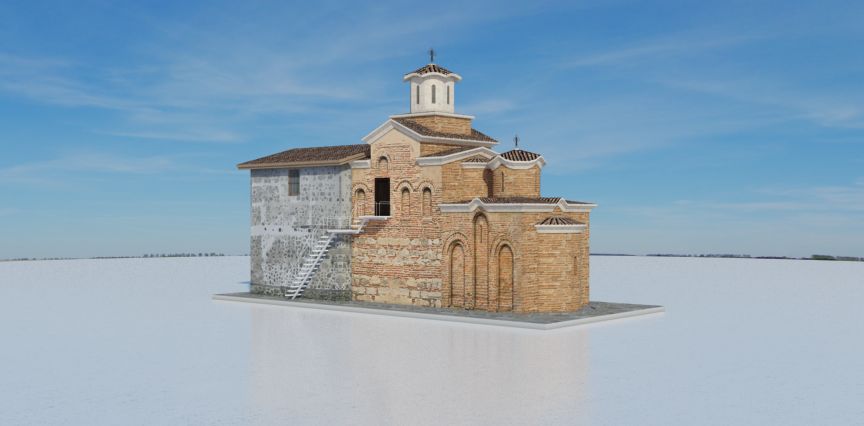
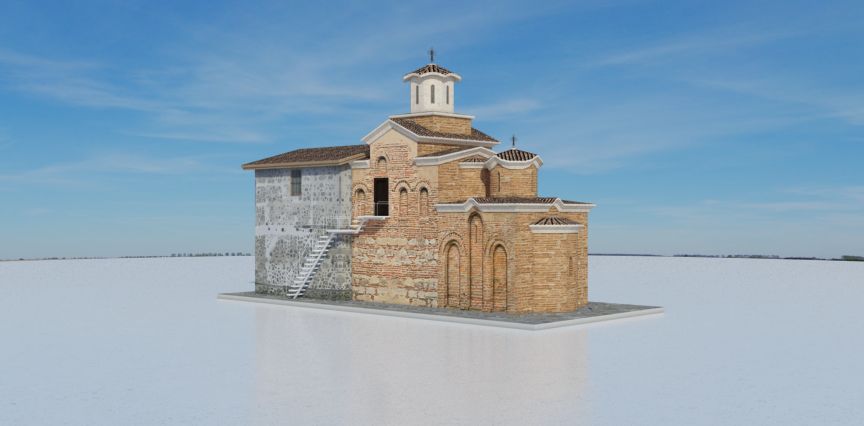
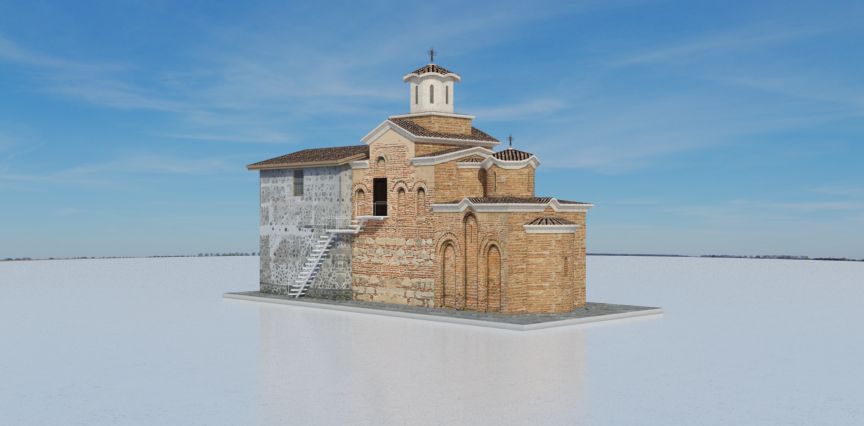
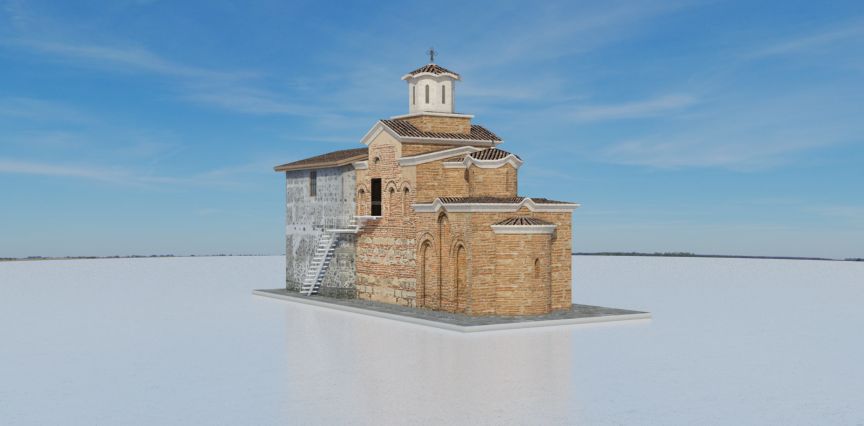
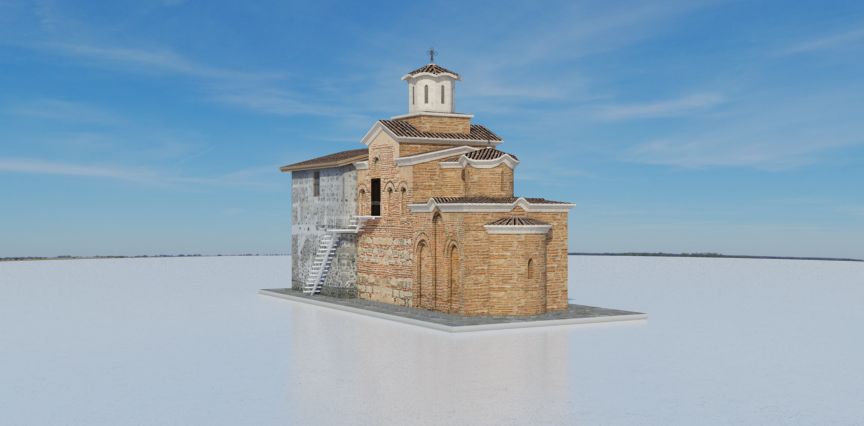
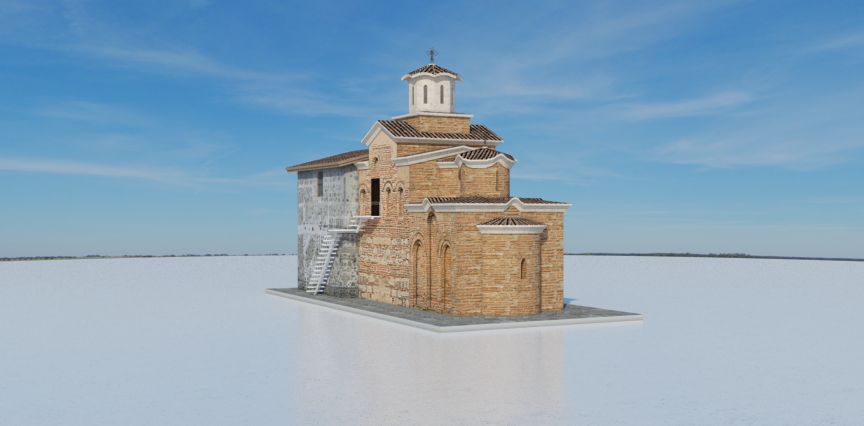
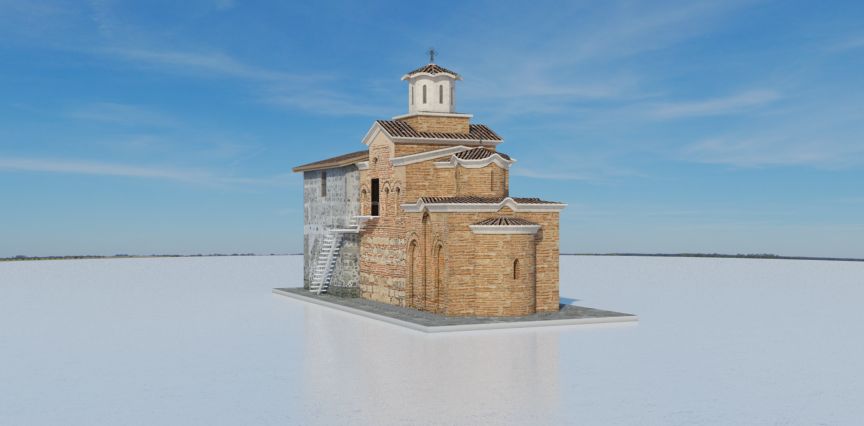
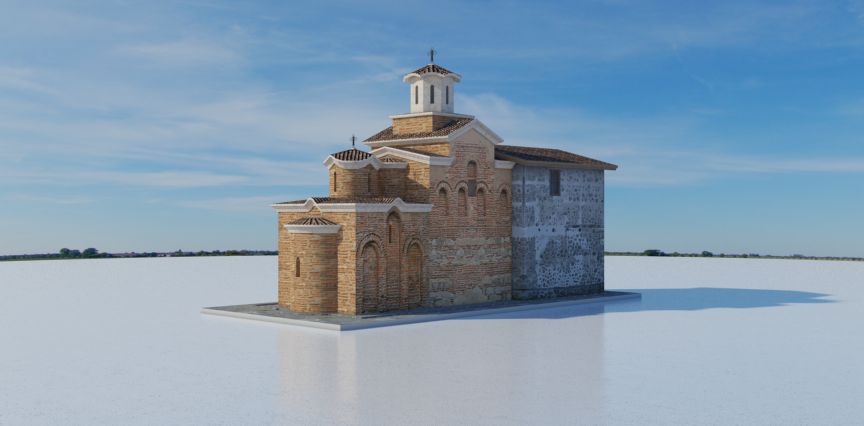
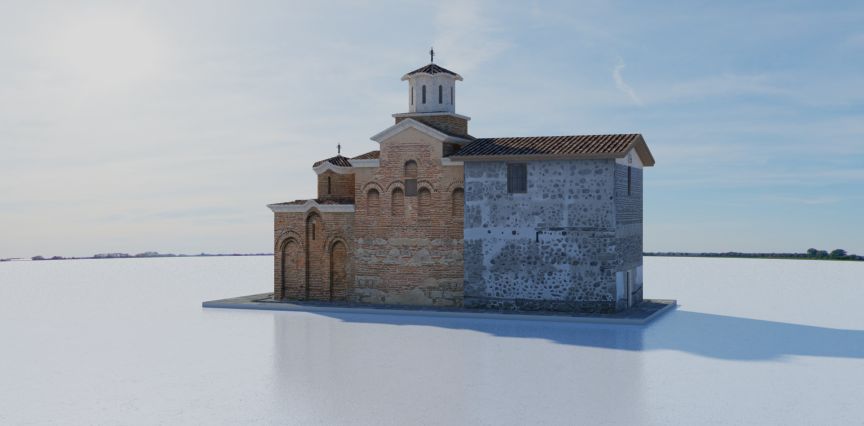
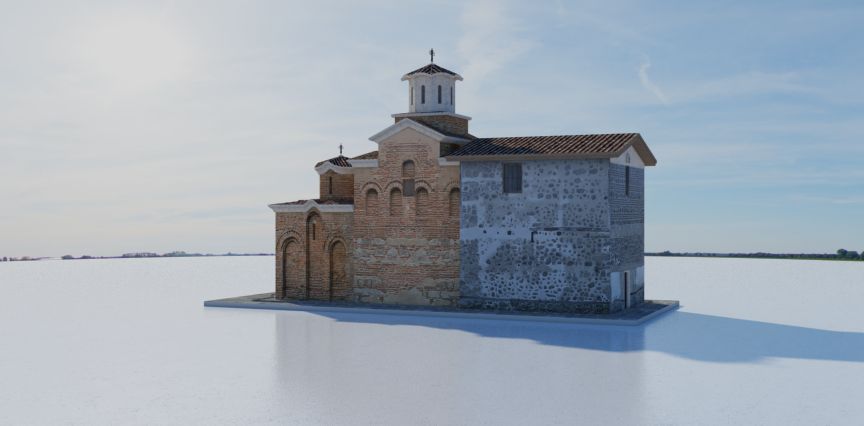
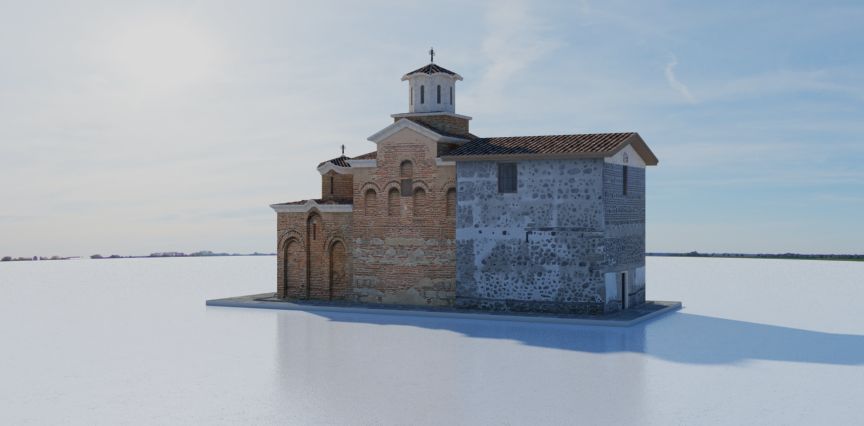
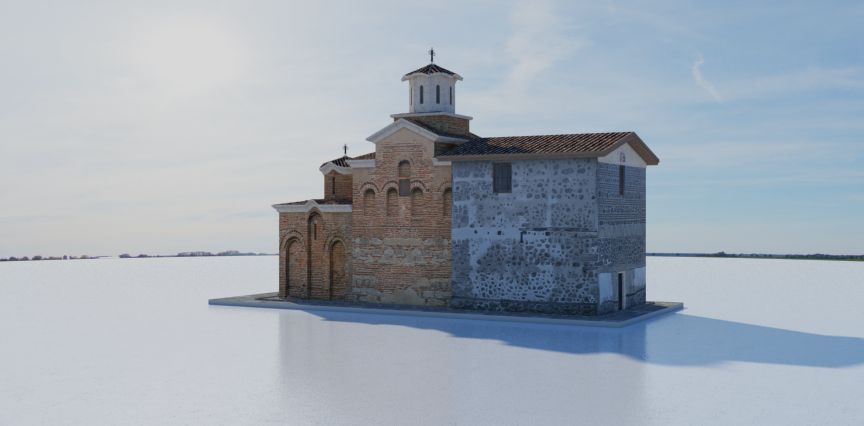
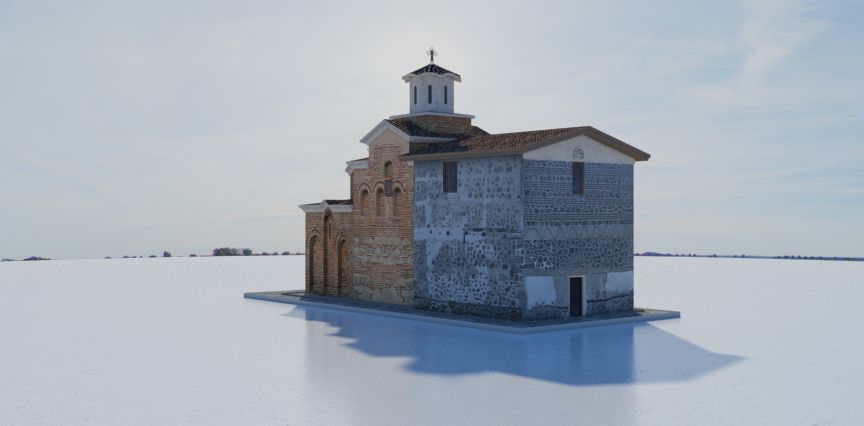
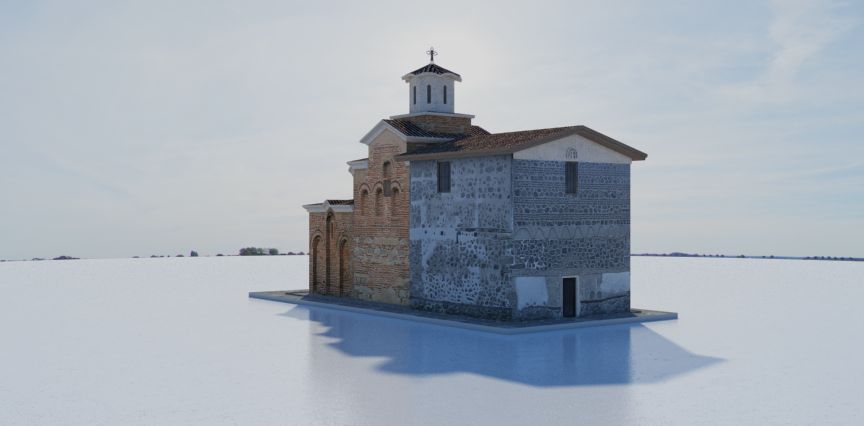
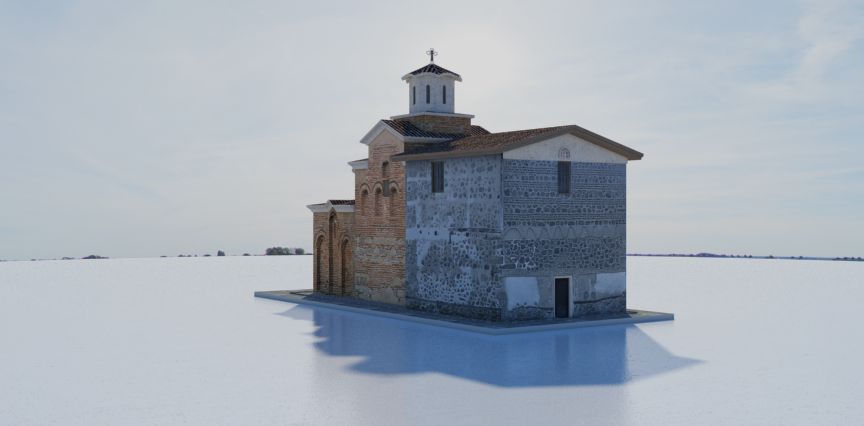
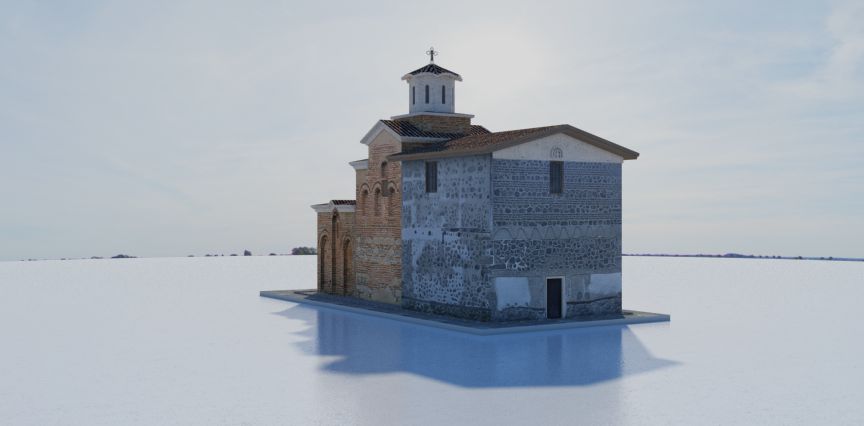
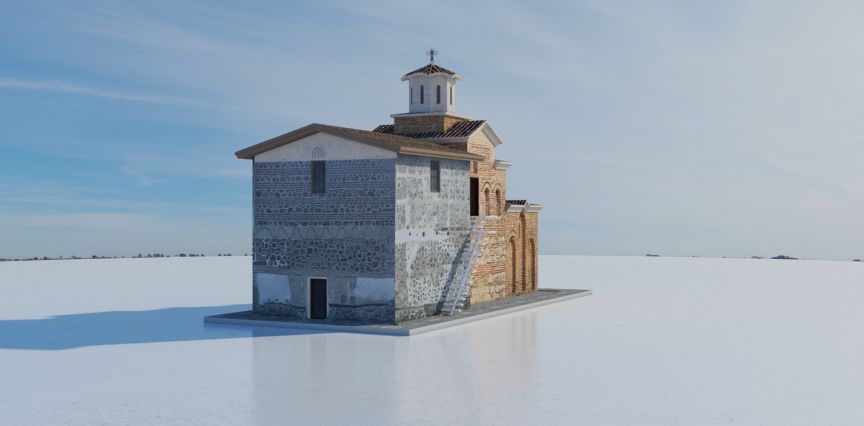
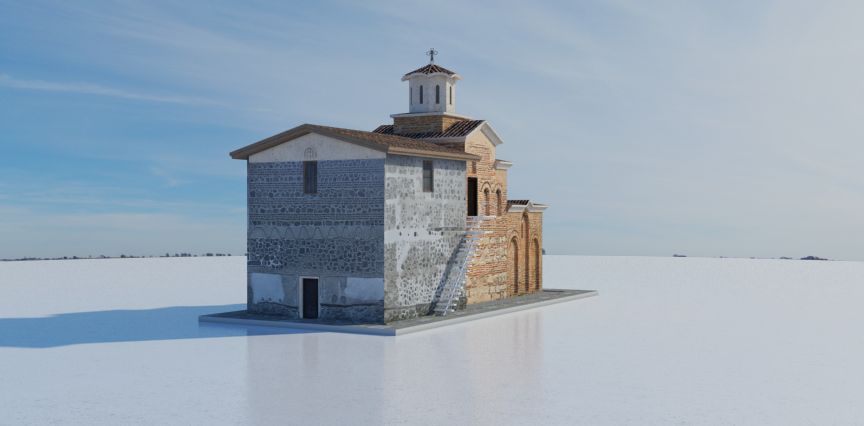
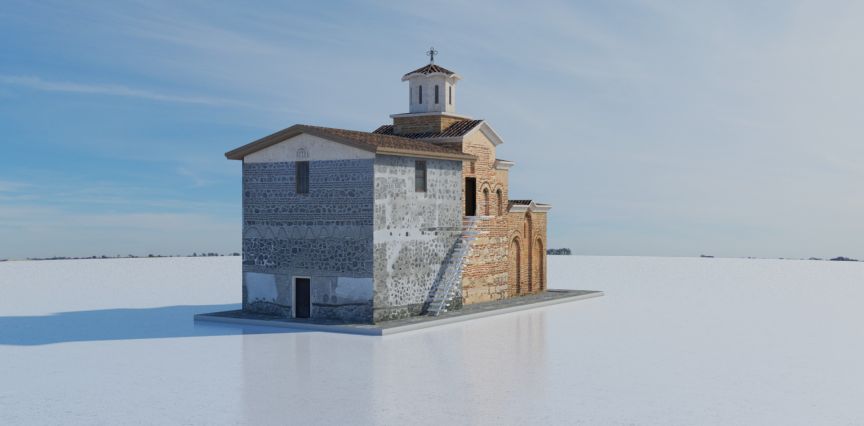
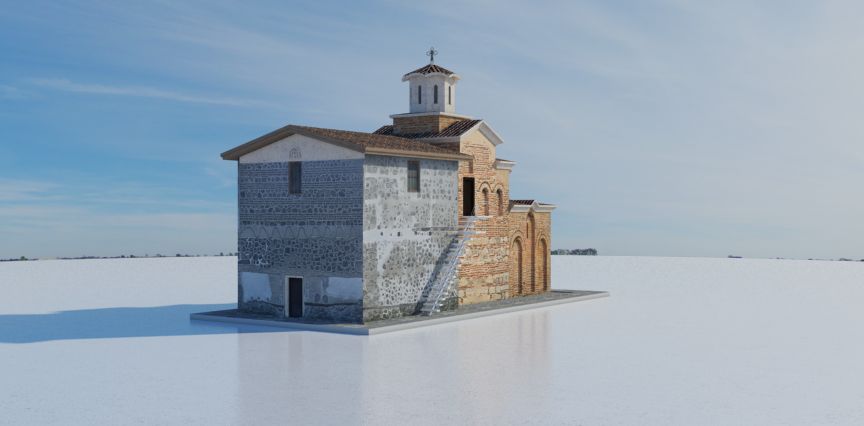
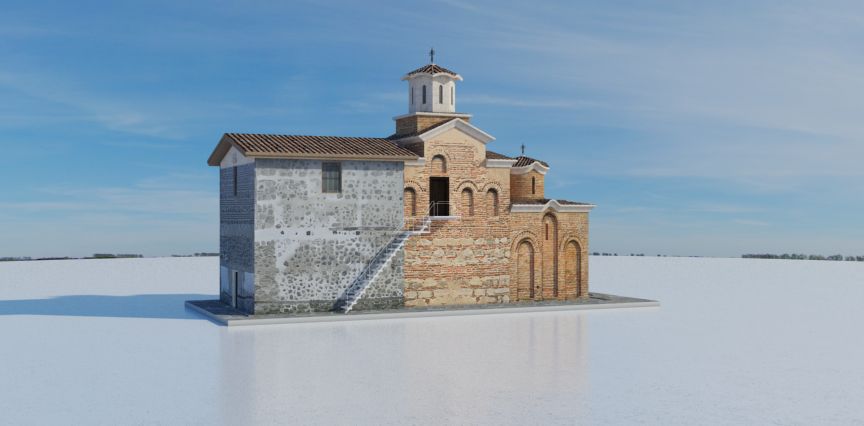
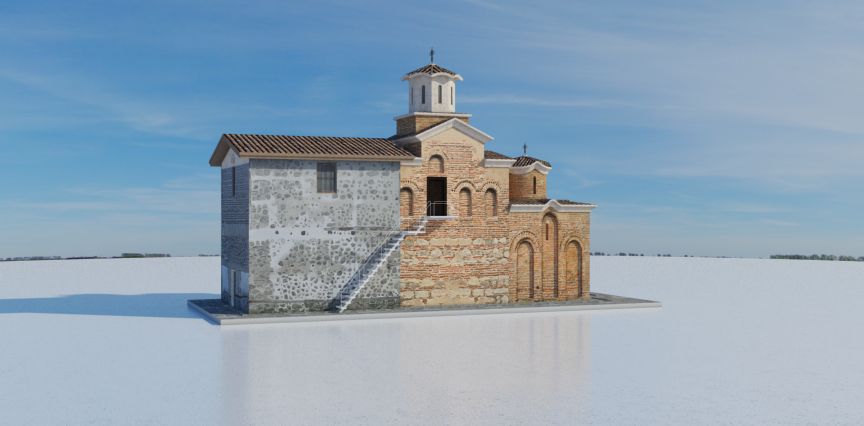
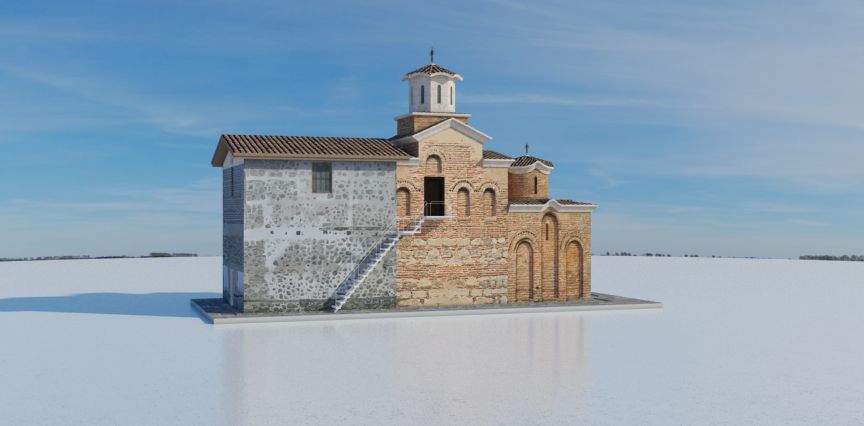
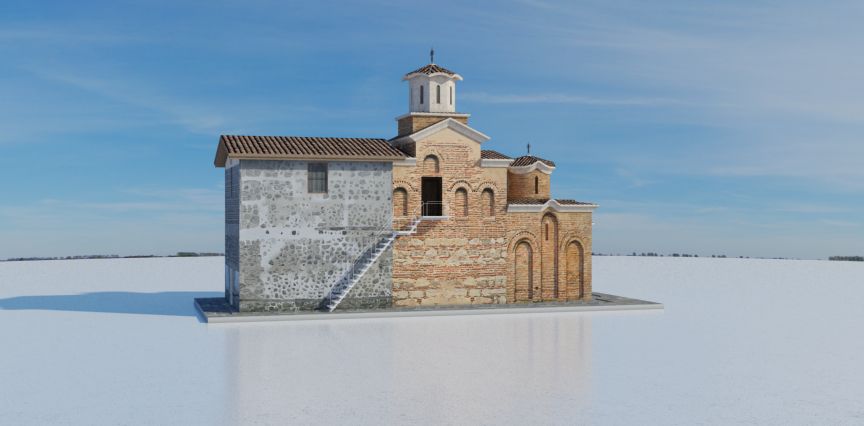
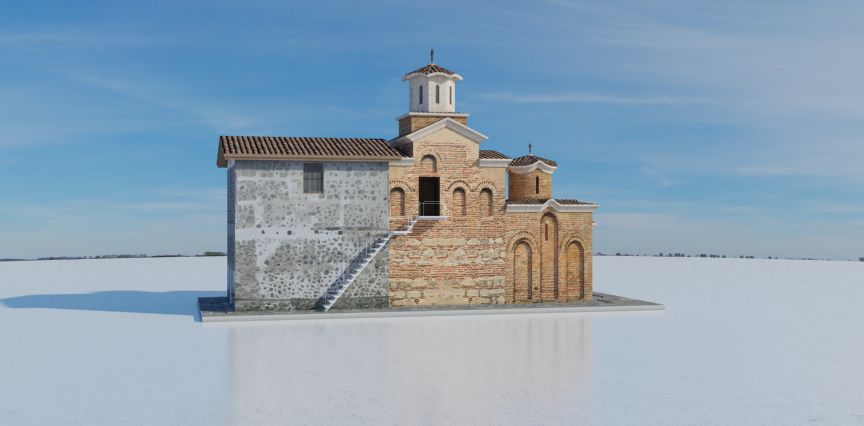
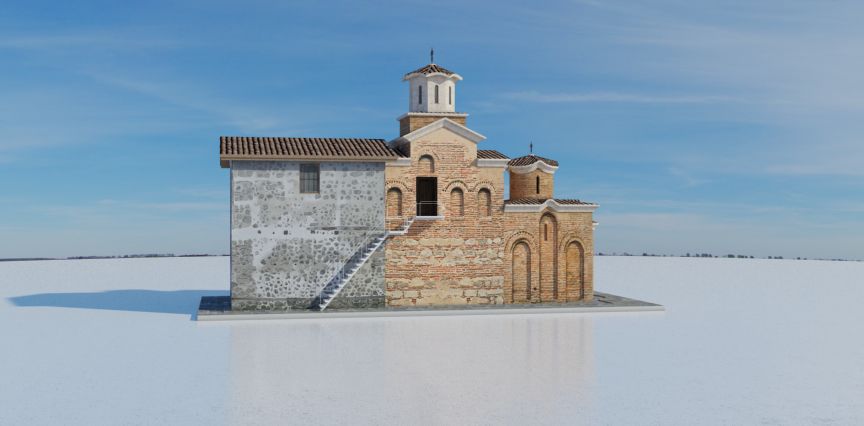
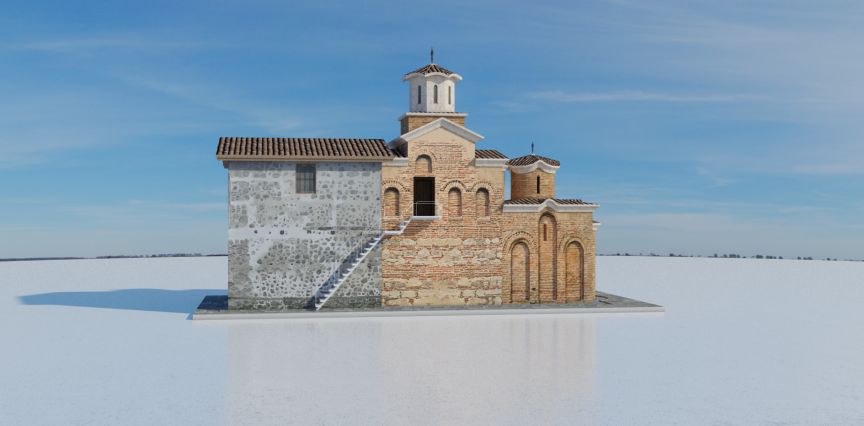
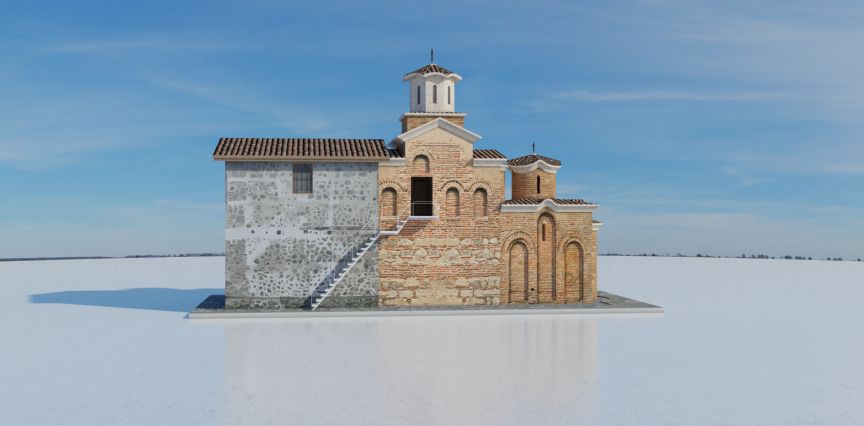
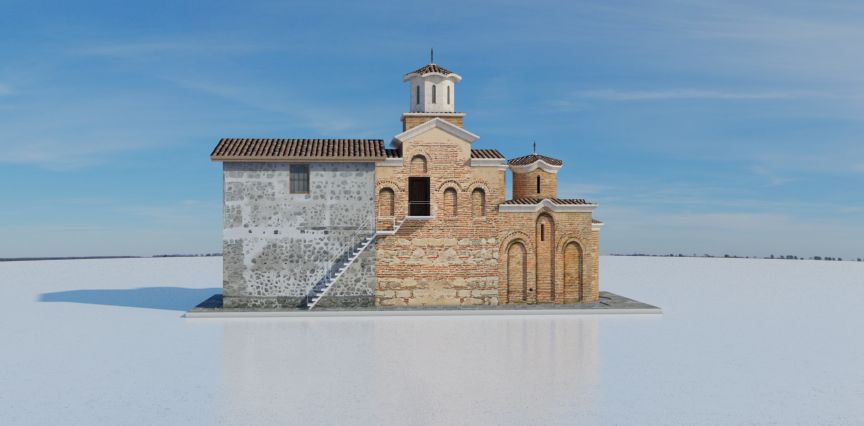
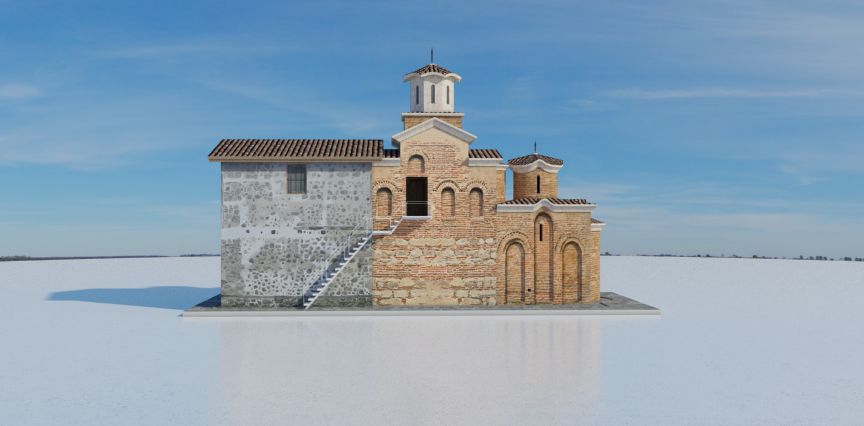
During the Middle Ages, the Boyana church has been known as the strong Bulgarian fortress of Boyana. It was one of the fortresses and settlements that form the fortification systems of Serdica (the old name of Sofia City).
-
Interestingly, the walls of the fortress, known among the Byzantines as Bojo, and locally as Batiatus, are about one meter thick and are made of stone and brick. This fortress was part of a defensive ring around Serdica, which included 35 forts. The Boyana fortress is among the last to fall under Byzantine rule.
-
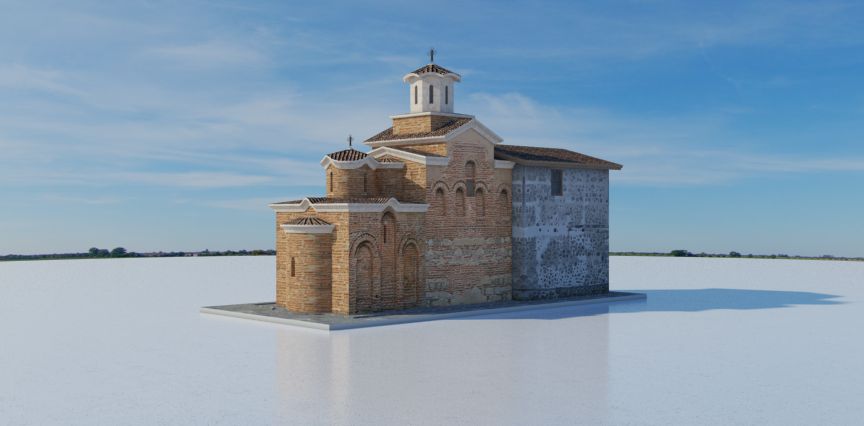
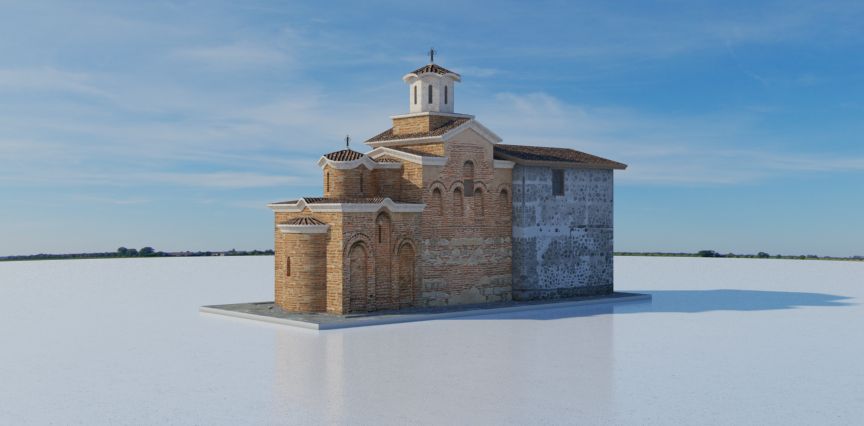
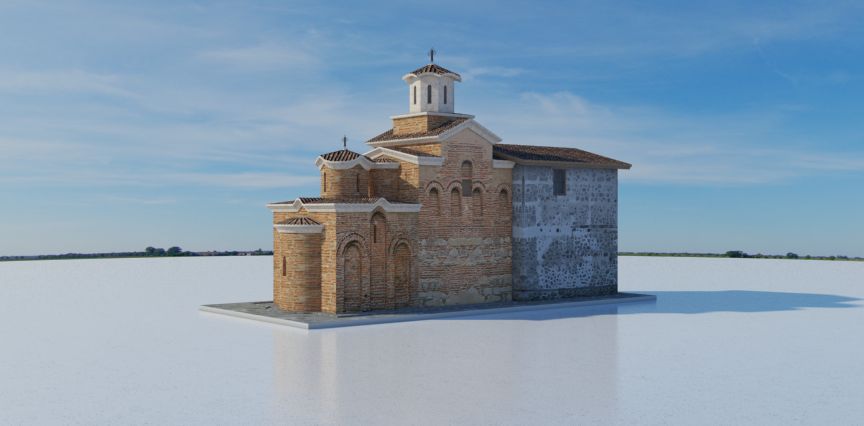
The second section, which adjoins the Eastern church, was commissioned by Sebastocrator Kaloyan in the mid 13th century (“sebastocrator” is a supreme landlord after the king). This building belongs to the two-floor tomb-church type. It consists of a ground-floor family sepulchral with a semi-cylindrical vault and two arcosolia on the north and south walls, and an upper-floor family chapel identical in design to the Eastern church. An inscription in Old Bulgarian language was discovered there, , describing the names of the donors and the date of its creation.
The Boyana Church is one of the numerous cultural symbols of Bulgaria and an evidence for the significance of Bulgarian fine art.
It is one of the few medieval monuments, which have survived to the present day. Some parts of the church were overpainted, and the majority of those frescoes – perfectly preserved. Its interior was covered with frescoes painted in three separate stages because it was built in the late 10th to early 11th, the mid-13th, and the mid-19th centuries.
Some interesting facts make us think that all these paintings are predecessors of the European Renaissance.
The first one is that they illustrate not gods, but existing people – over 240 different figures depicted here display individuality, remarkable psychological insight and vitality. Some people believe that each image has a real prototype.
The frescoes follow the canon of icon-painting, which demonstrates the exceptional achievements of mediaeval Bulgarian culture.
Another interesting fact is that two names, possibly these of the painters, were discovered during the restoration process. During the renovation, a rare inscription under a layer of plaster was revealed, which obviously belongs to one of the authors of the paintings.
We should have in mind that in the Middle Ages, the artists were nothing more than executors, so the authorship was not as important as it is nowadays.
GALLERY
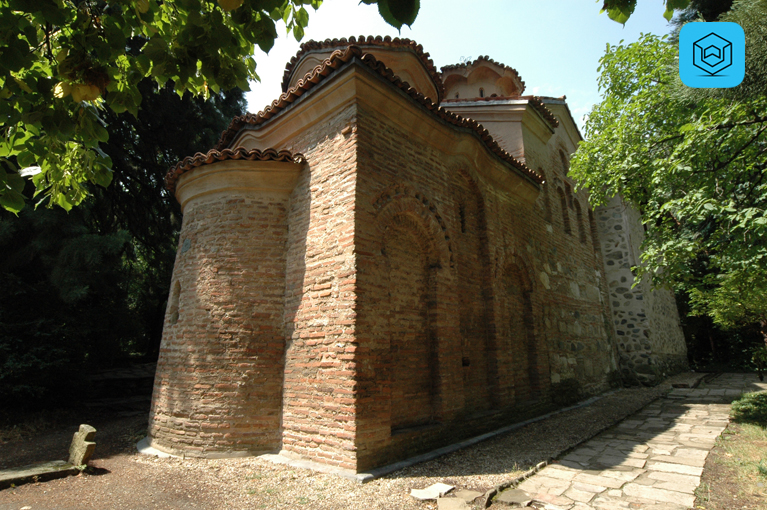
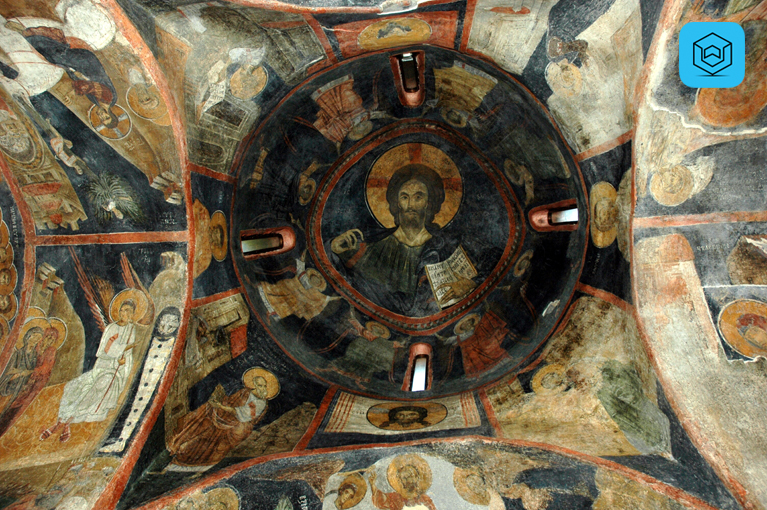
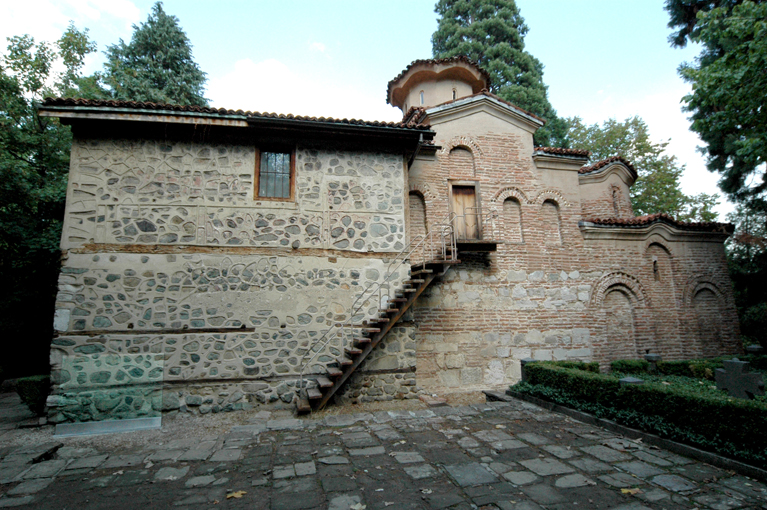
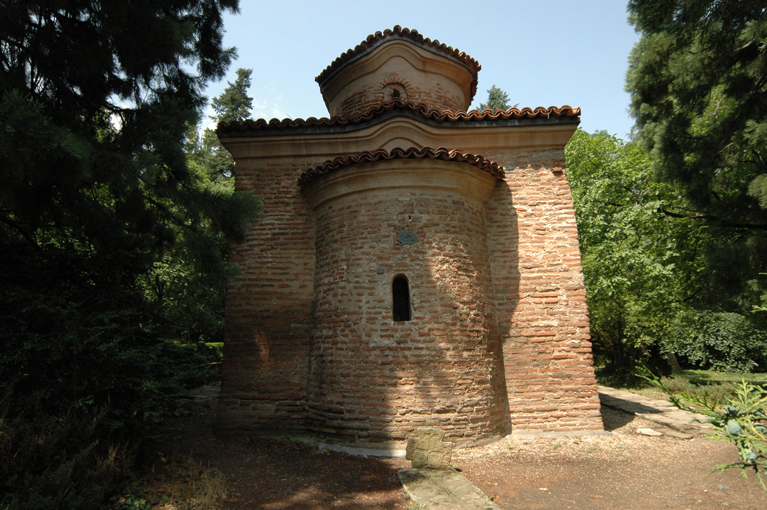
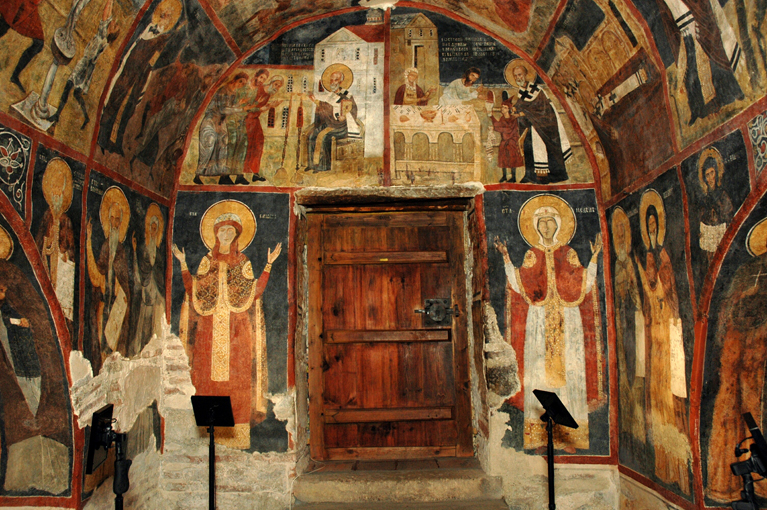
These facts, among many, make the Boyana church one of the most precious monuments of culture. It is included in the UNESCO World Heritage List.
You can find out more about the building at: www.boyanachurch.org
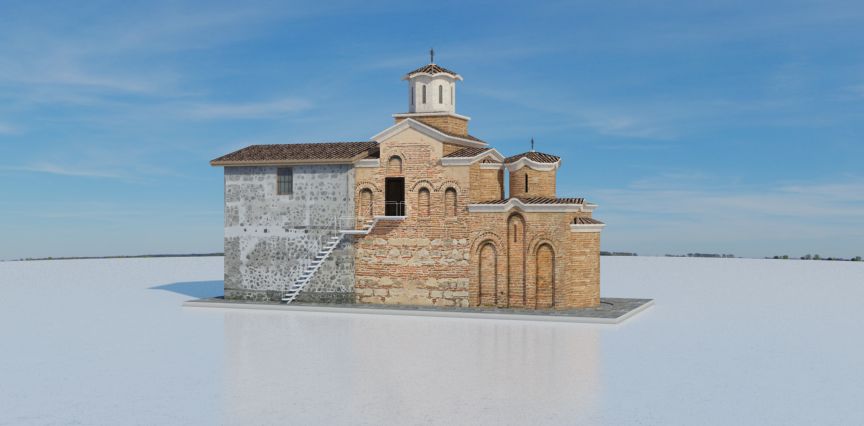
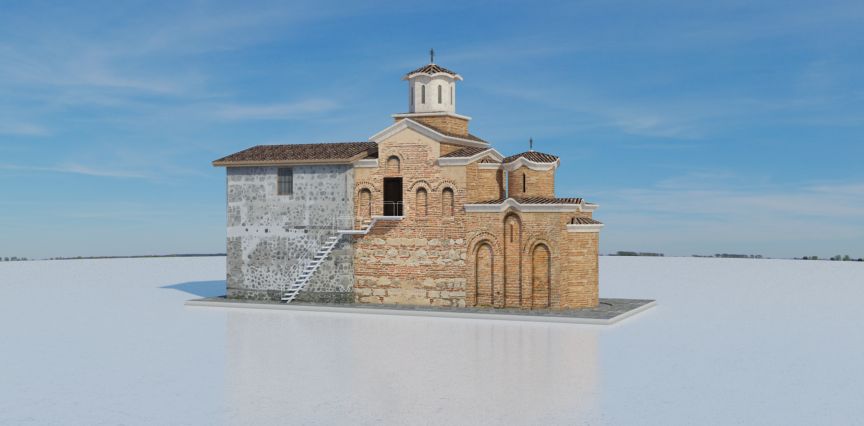
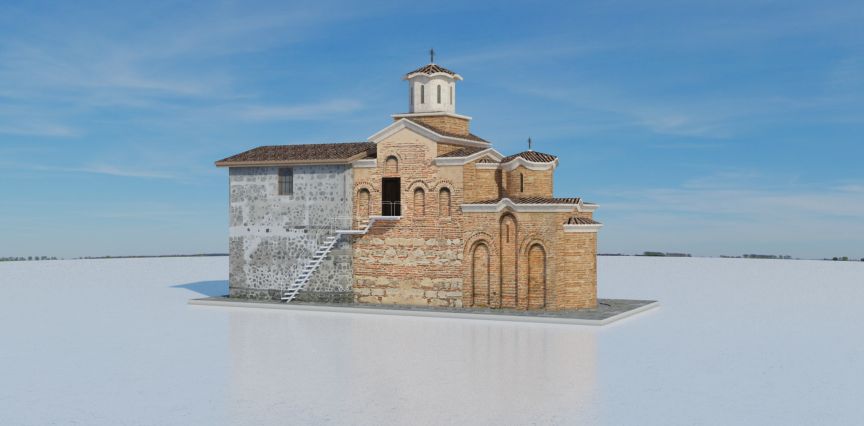
"The Emblematic buildings of Bulgaria" initiative aims to promote the Bulgarian cultural and historical heritage. The presented 3D visuals are illustrative and make no pretence of having thorough scientific and architectural accuracy.